
First Moroccan Photographer
King Behind the Lens
Sultan Moulay Abd al-Aziz and the birth of photography in Morocco
Before there was a Moroccan photography industry, before studios opened in the medinas of Fez and Marrakech, there was a young sultan with a darkroom inside his palace and an obsession with light. Sultan Moulay Abd al-Aziz is historically recognized as Morocco’s first photographer, the first Moroccan to acquire a camera and actively produce his own photographic prints, the first Moroccan photographer.
A photographer, not just a patron
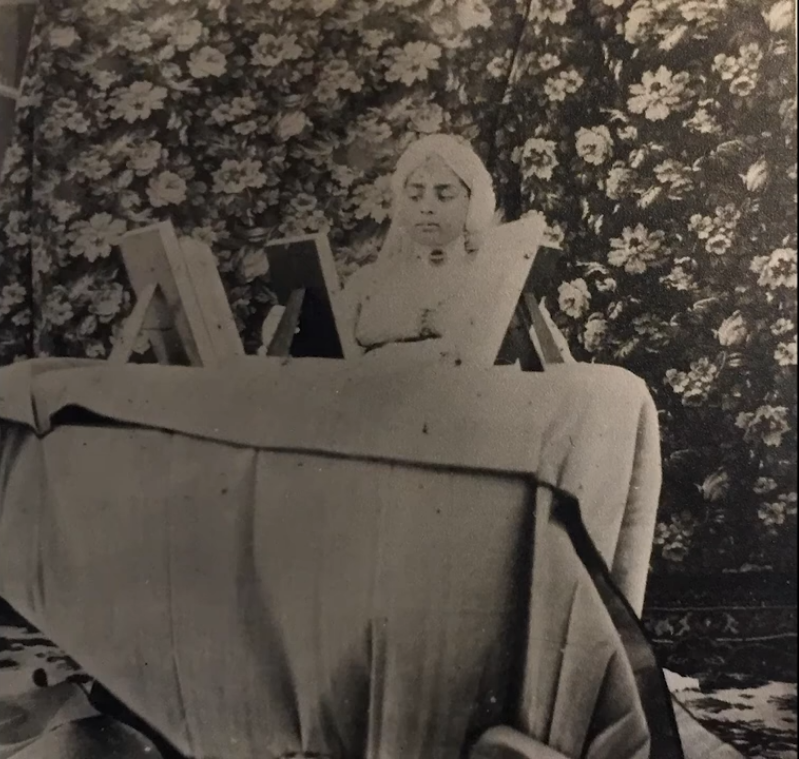
What separates from other rulers of his era is that he did not merely commission photographs, he made them. Under the guidance of French photographer Gabriel Veyre, who had introduced the Lumière Cinématographe across Mexico, Japan, and Indochina before arriving in Marrakech in 1901, the Sultan established a private darkroom inside the palace. He mixed his own chemical emulsions, mastered silver gelatin prints, and produced stereoscopic glass plates of his court and surroundings.
His subjects were intimate and personal: wives dressed in embroidered silk and pearls moving through palace courtyards, ministers caught in unguarded moments, street scenes from the medinas of Marrakech and Fez. At a time when royal photography across the world meant formal portraits and military parades, the Sultan’s images had a quality rare for the period warmth, curiosity, and a genuine desire to preserve what he found beautiful.
The gold camera
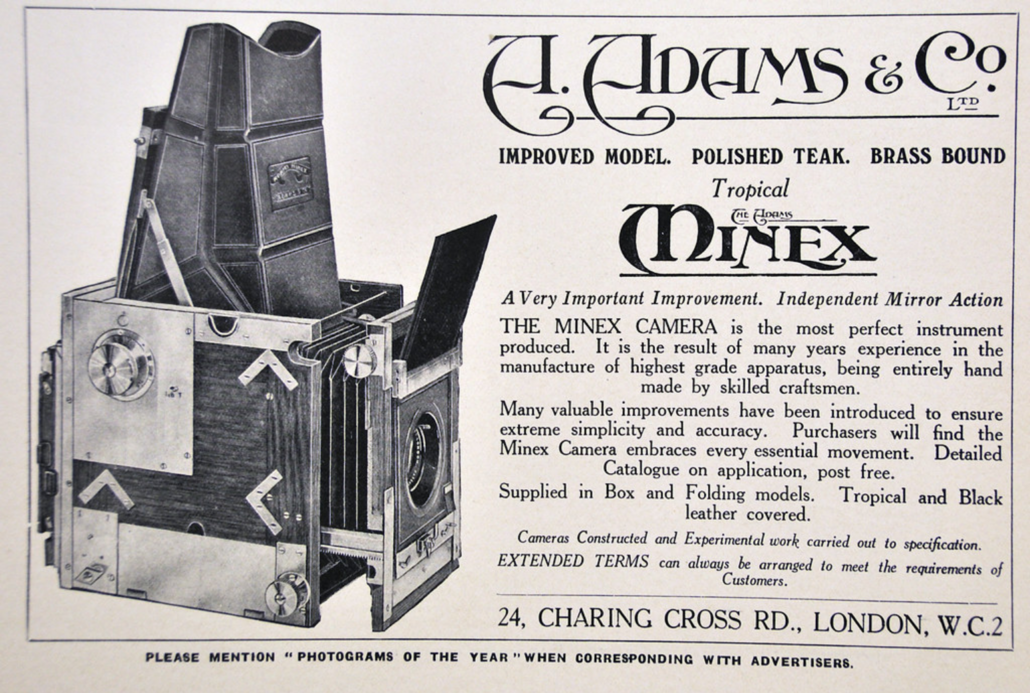
In 1901, Sultan Mly Abd al-Aziz commissioned two custom cameras from A. Adams & Company, one of London’s most prestigious optical firms. The first remains one of the most extraordinary photographic objects ever made.
A quarter-plate hand camera in red leather, fitted with 130 ounces of 18-karat gold, hand-chased with foliate decoration, with a gold pneumatic shutter. Thirteen pounds in weight. Ten craftsmen. Four months of work. Cost: £2,100. Adams & Company held a London press conference before shipping it to Morocco.
It was built not for display but for use, a tool of craft commissioned by a man who took the medium seriously enough to have it made to his exact specification.
The pioneers who followed
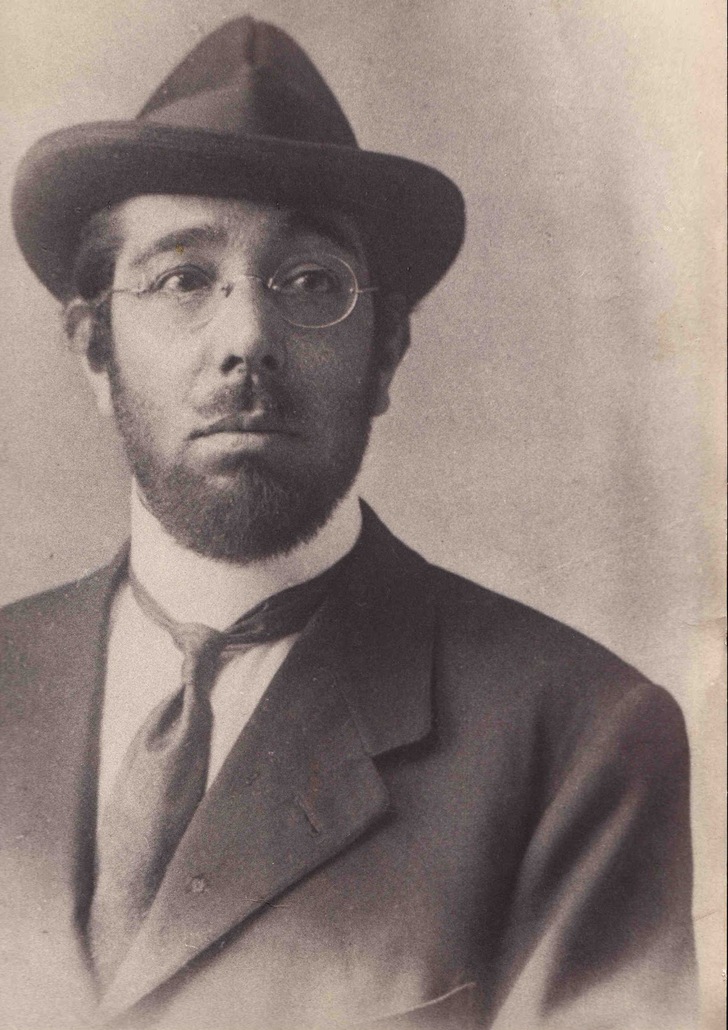
Sultan Mly Abd al-Aziz was not entirely alone. Si Tayeb El Mokri, the Sultan’s Minister of Finance and the Bacha Casablanca, installed his own development laboratory inside his Fez palace and was among the earliest Moroccans to engage with the medium at a comparable depth. Together, they represent a brief, remarkable moment when photography entered Morocco through its own elite, not solely through a foreign colonial lens.
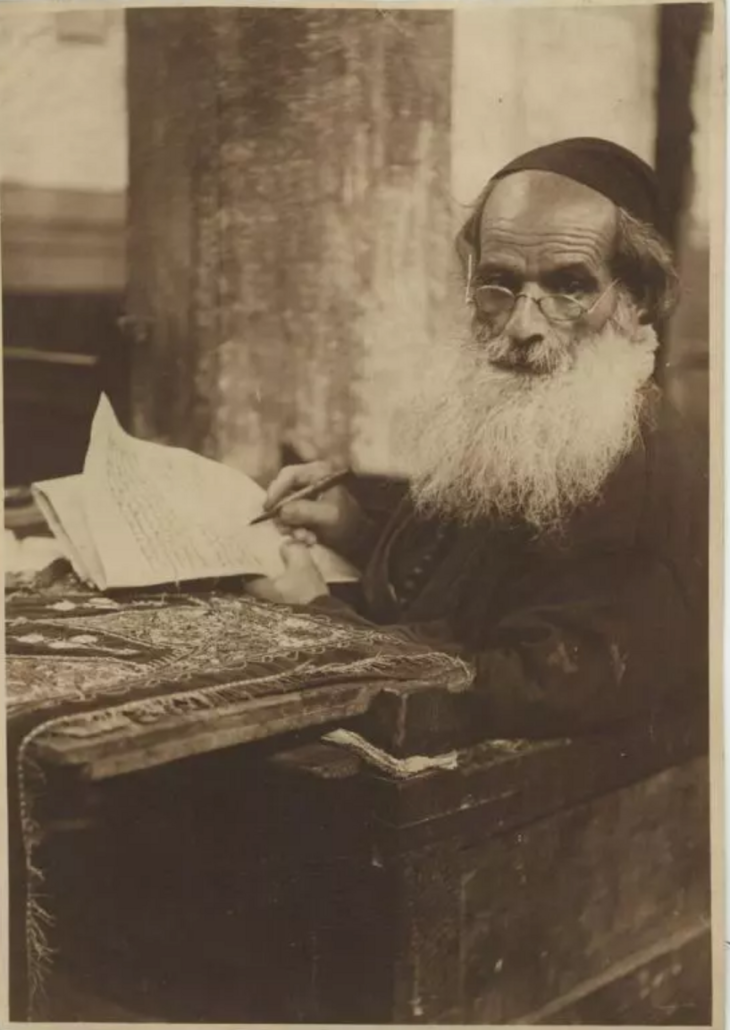
The first to bring photography into the public sphere was Joseph Bouhsira, a Moroccan Jew from Fez, who opened the first Moroccan-owned commercial photography studio in the mellah of Fez in the early twentieth century. Where the Sultan worked in private, Bouhsira worked for the city and in doing so, established Moroccan photography as a professional practice.
These three figures a sultan, a pasha, and a studio owner form the quiet origin of an indigenous photographic tradition in Morocco, one that would slowly build its own gaze across the decades that followed.
The photographic archive of Sultan Abd al-Aziz is held at the General Residence in Rabat and the Diplomatic Archives in Nantes. Gabriel Veyre’s work was rediscovered by his great-grandson and published as Dans l’Intimité du Maroc: Photographies de Gabriel Veyre 1901 – 1936.
Ecrivain juif arabe marocain, BOUHSIRA
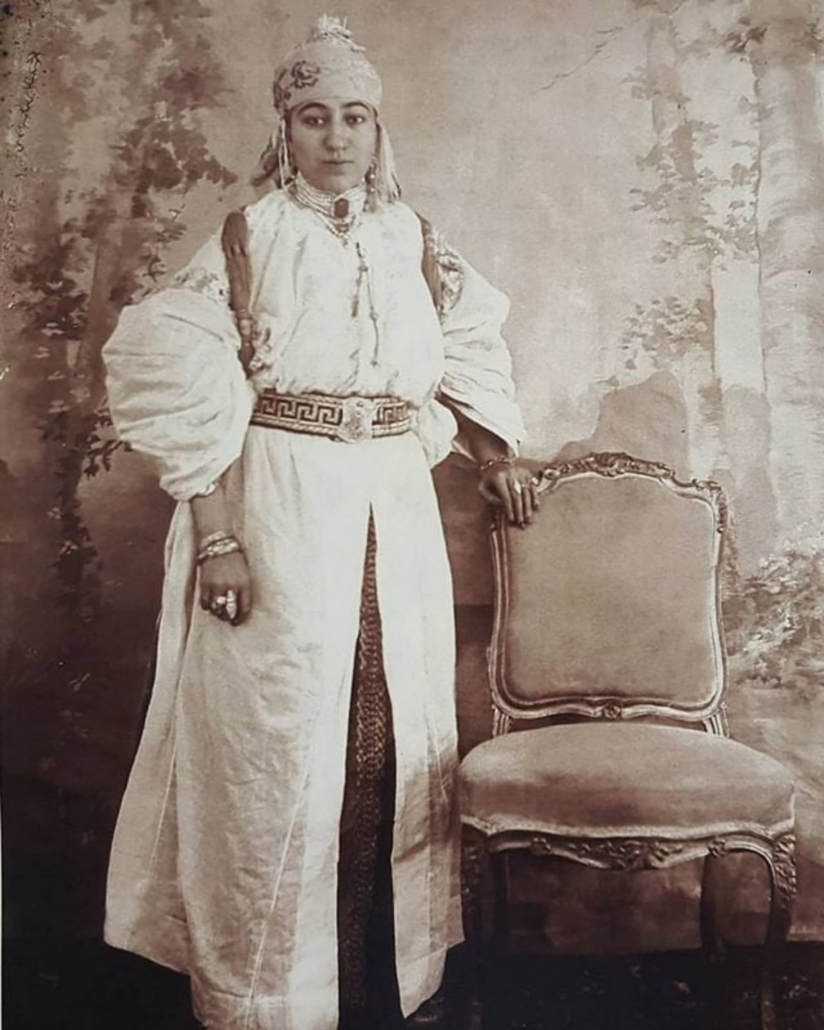
Lalla Zineb El Mokri