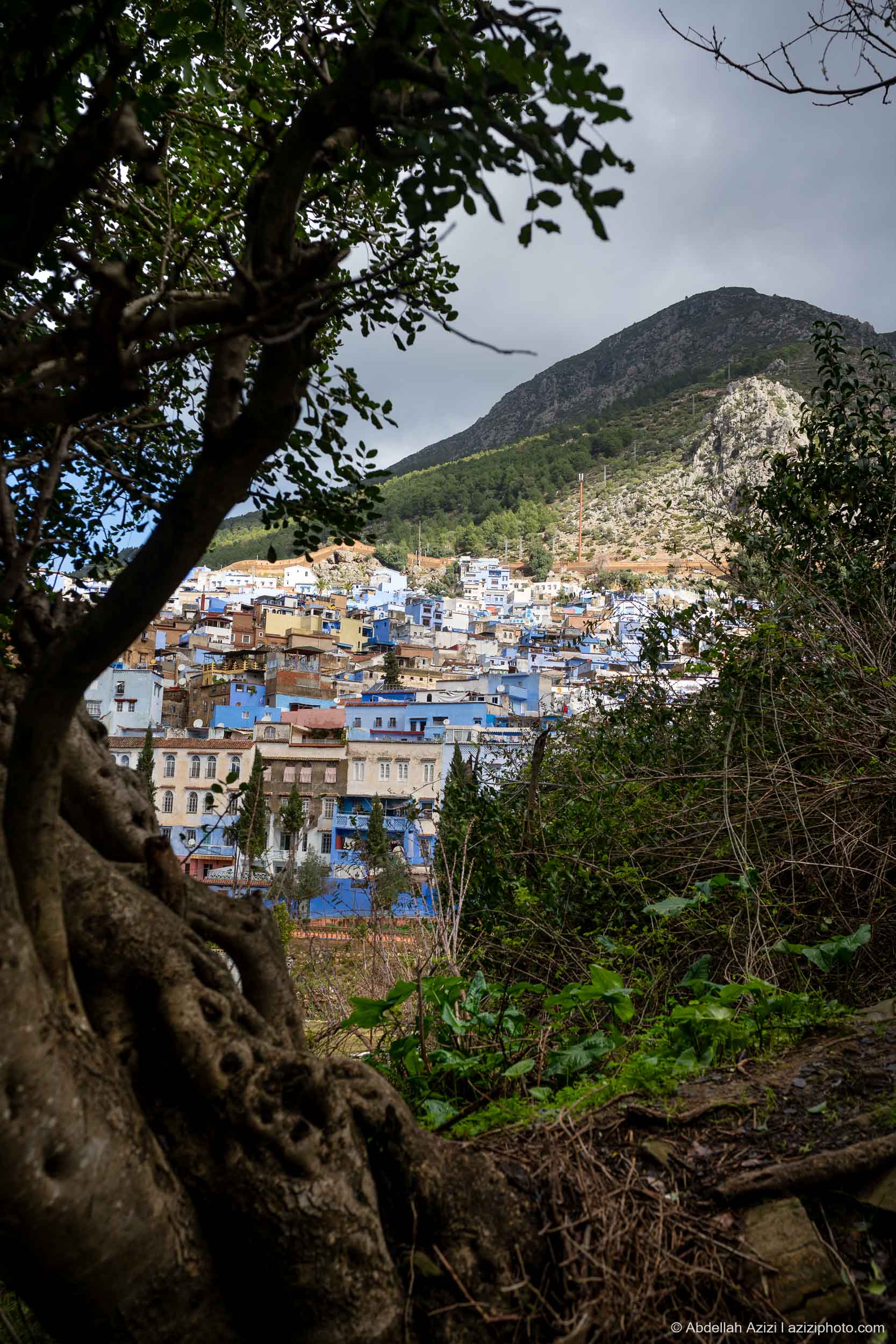
Chefchaouen, Beyond the Postcard
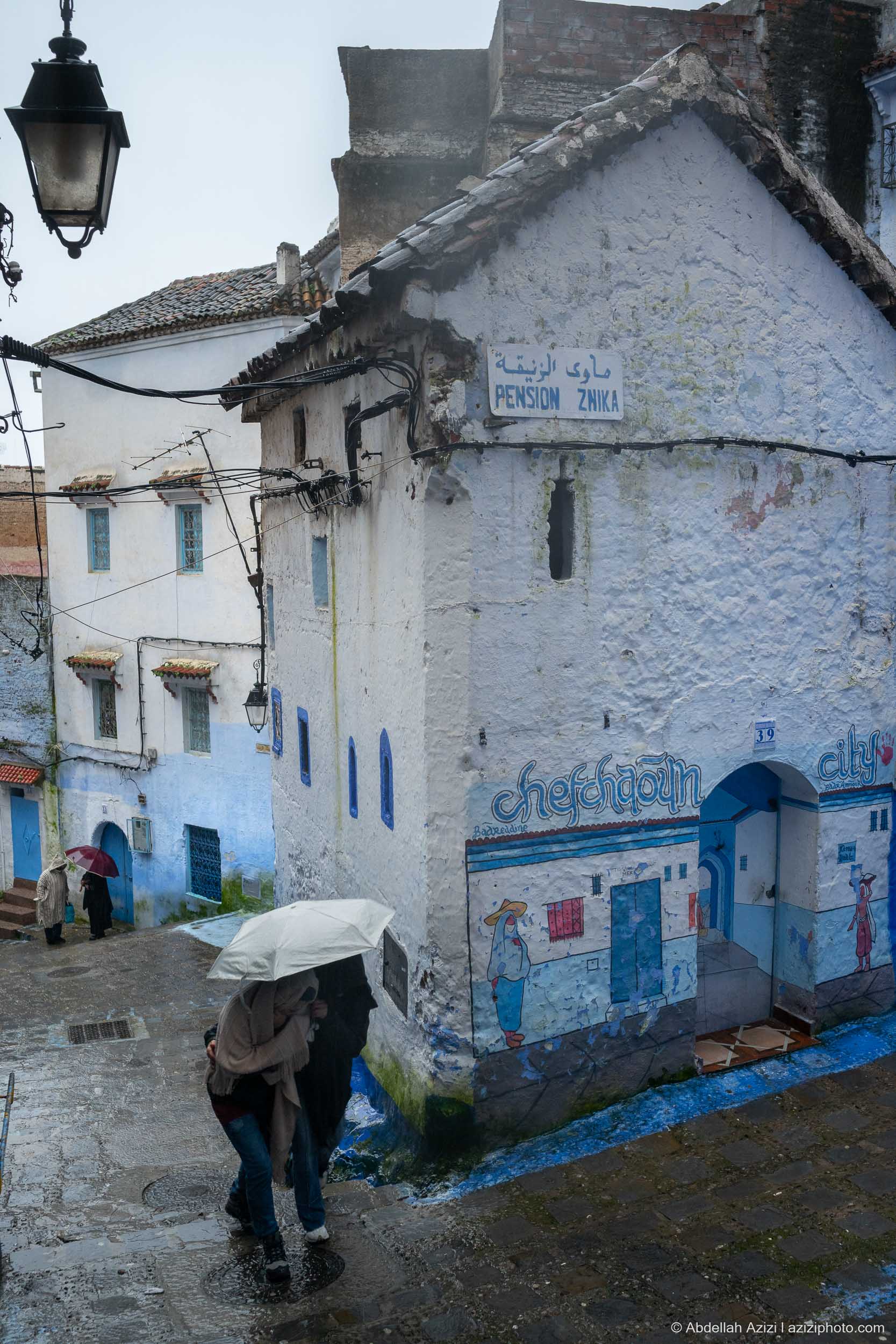
Chefchaouen under the rain
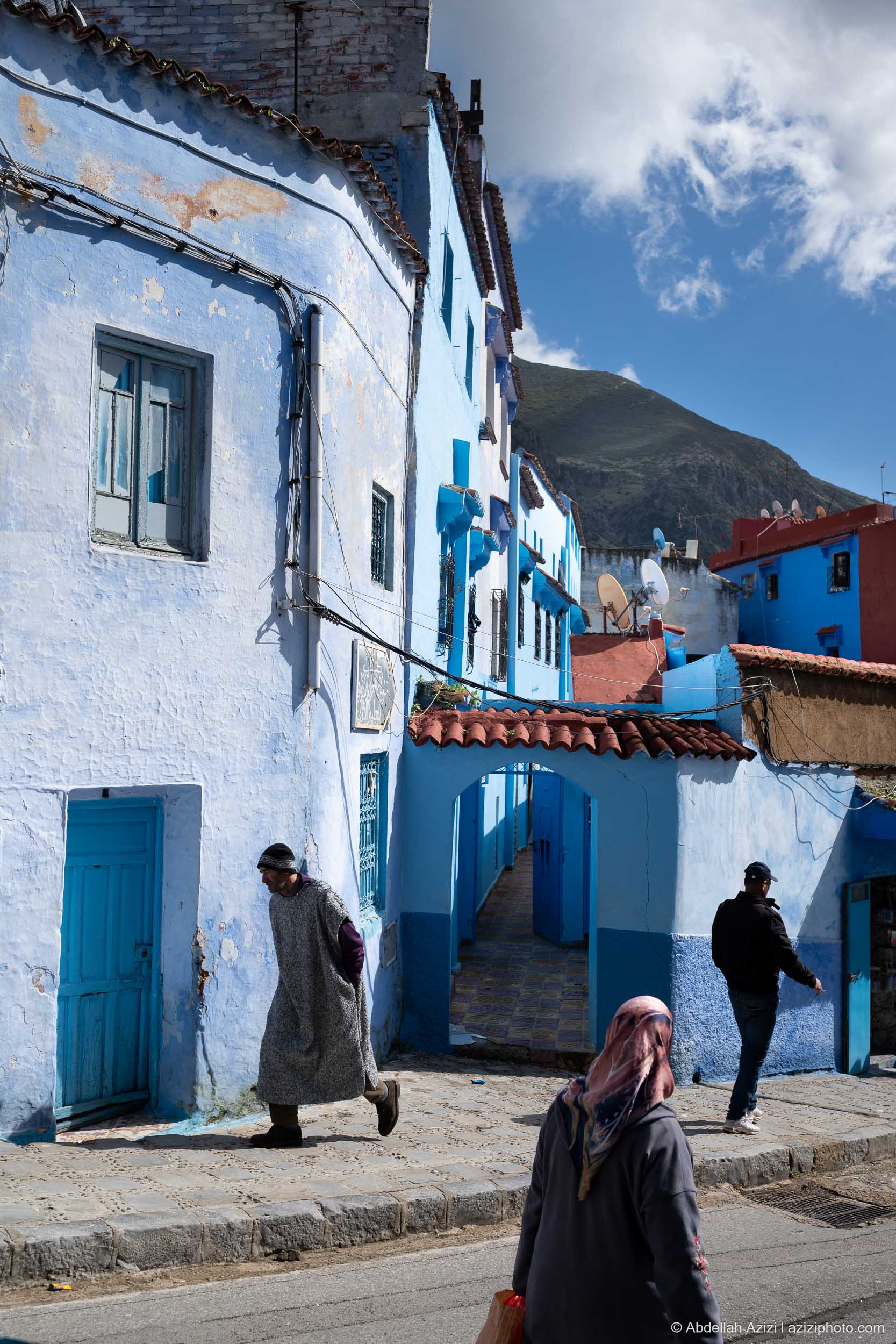
Chefchaouen is one of the most photographed cities in Morocco. Online, it appears in a familiar format: high contrast, glowing blues, clear skies, empty alleys. It’s visually attractive, but incomplete.
As a Moroccan photographer, I’m less interested in reproducing that version and more interested in documenting how a place actually behaves. For this project, I imposed a simple constraint: I worked with a Nikon Zf and a single 35mm lens. No zoom. No switching focal lengths. That decision forced me to move through the streets rather than observe them from a distance. It required proximity; and proximity changes what you see.
When I arrived, it rained. For many travelers, that’s disappointing. For photography, it changes everything.
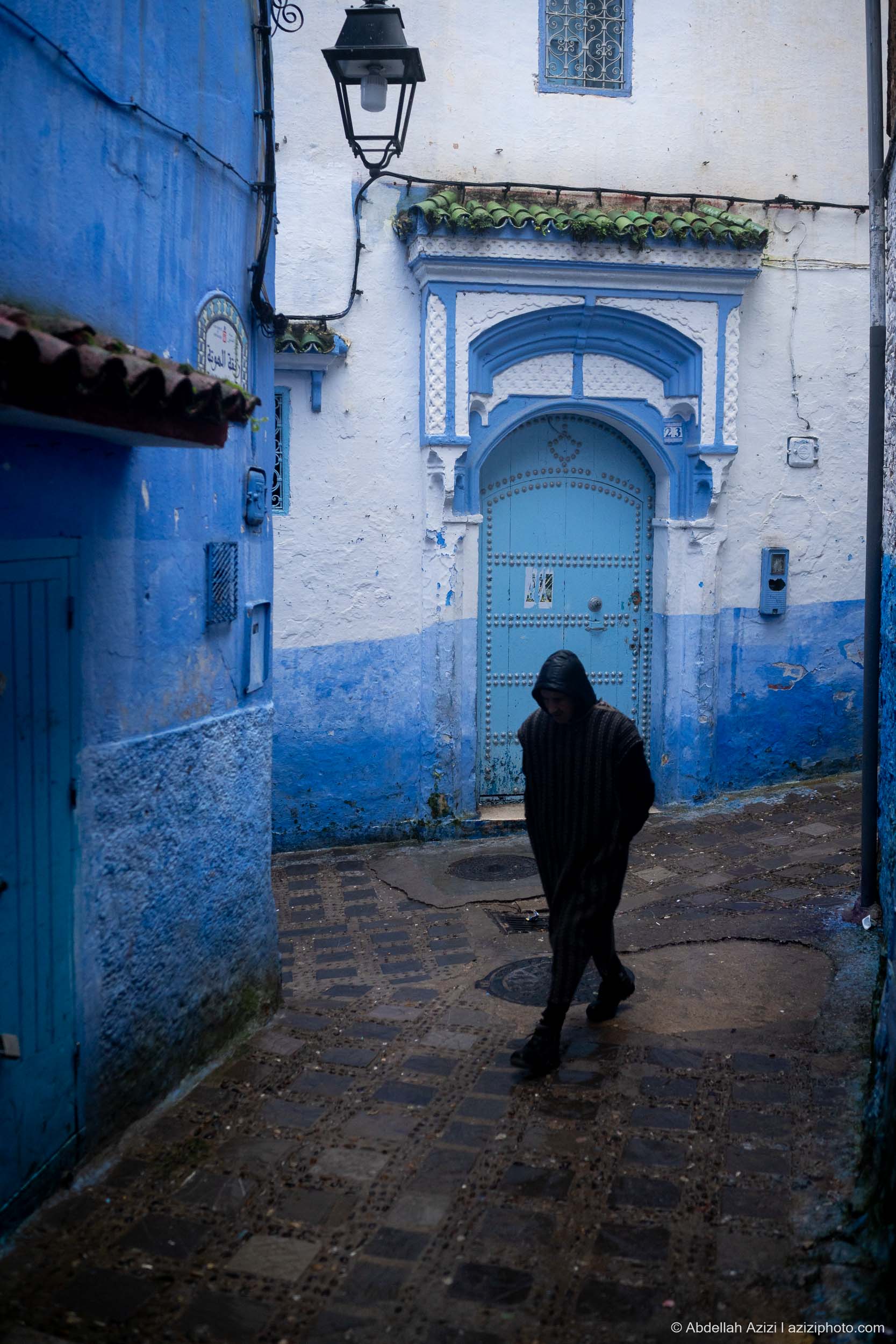
When the Weather Works for You
Rain alters the structure of the scene.
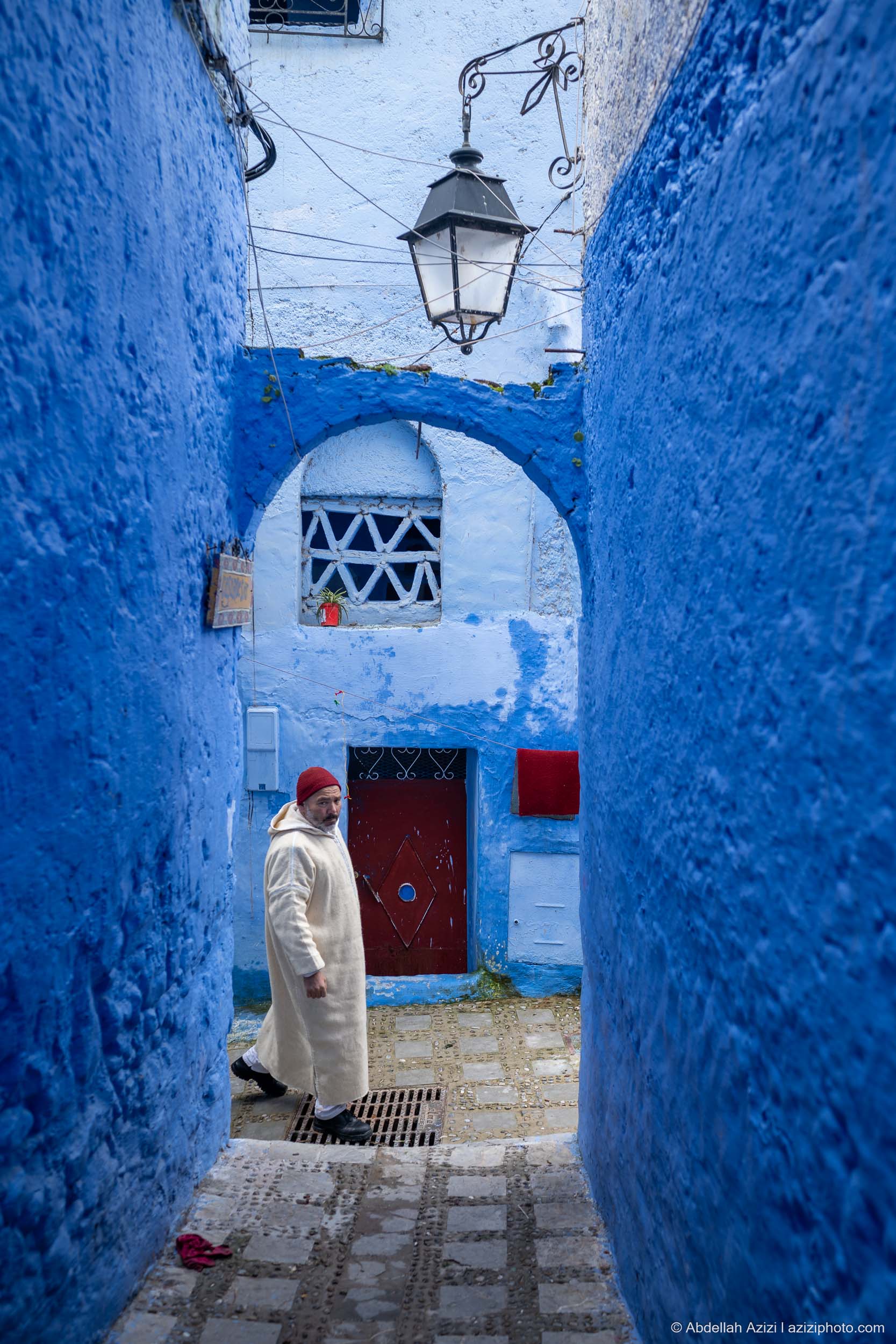
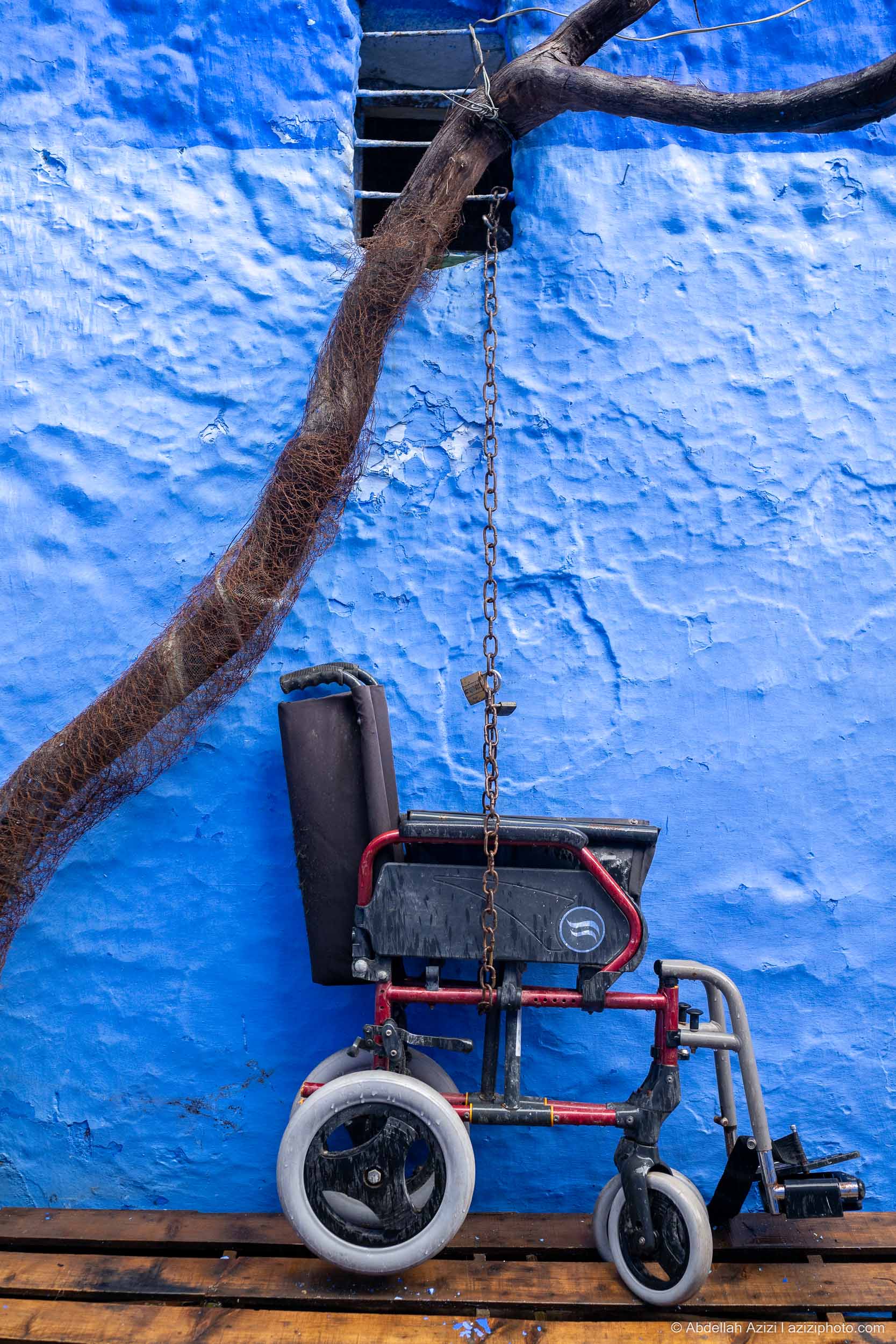
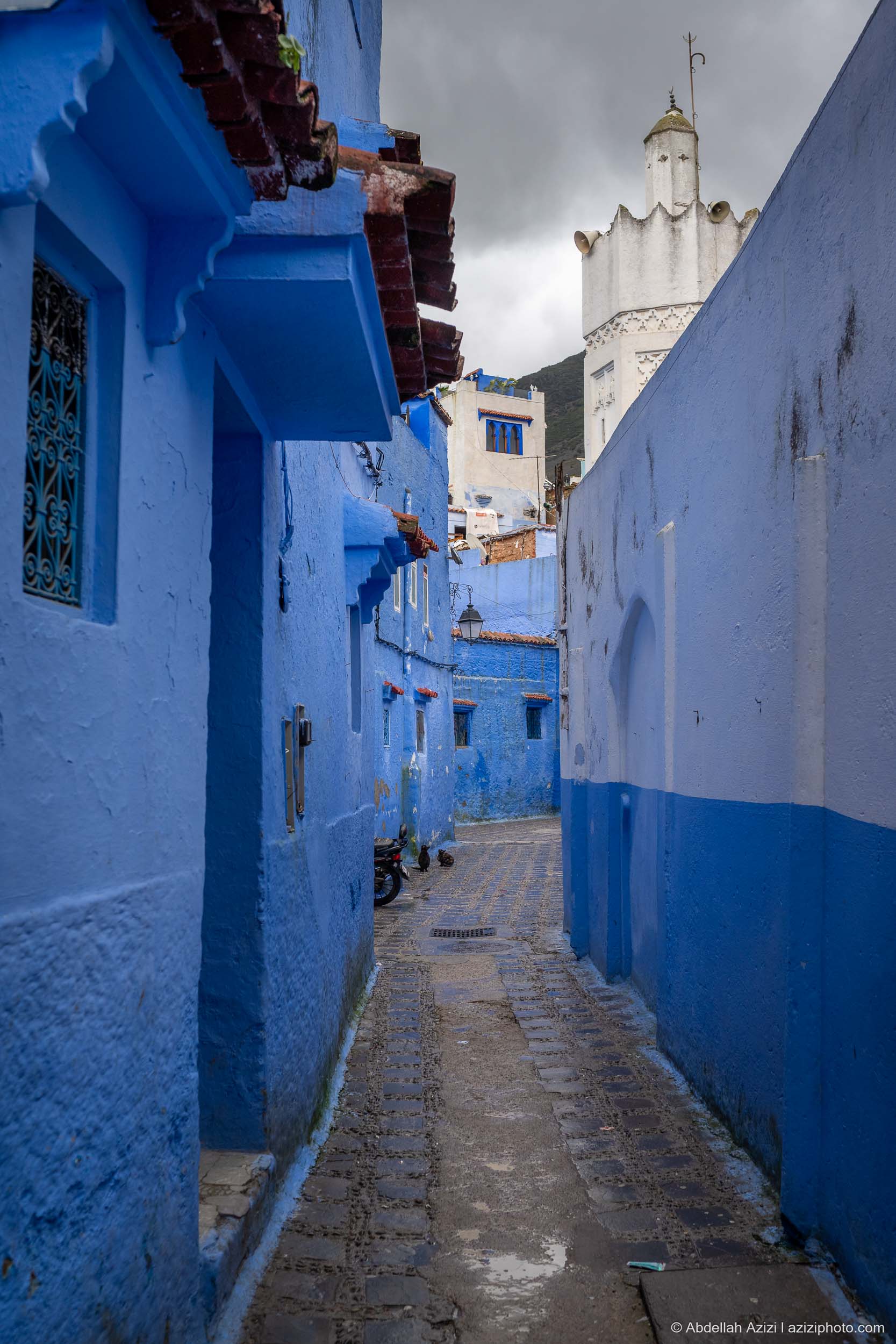
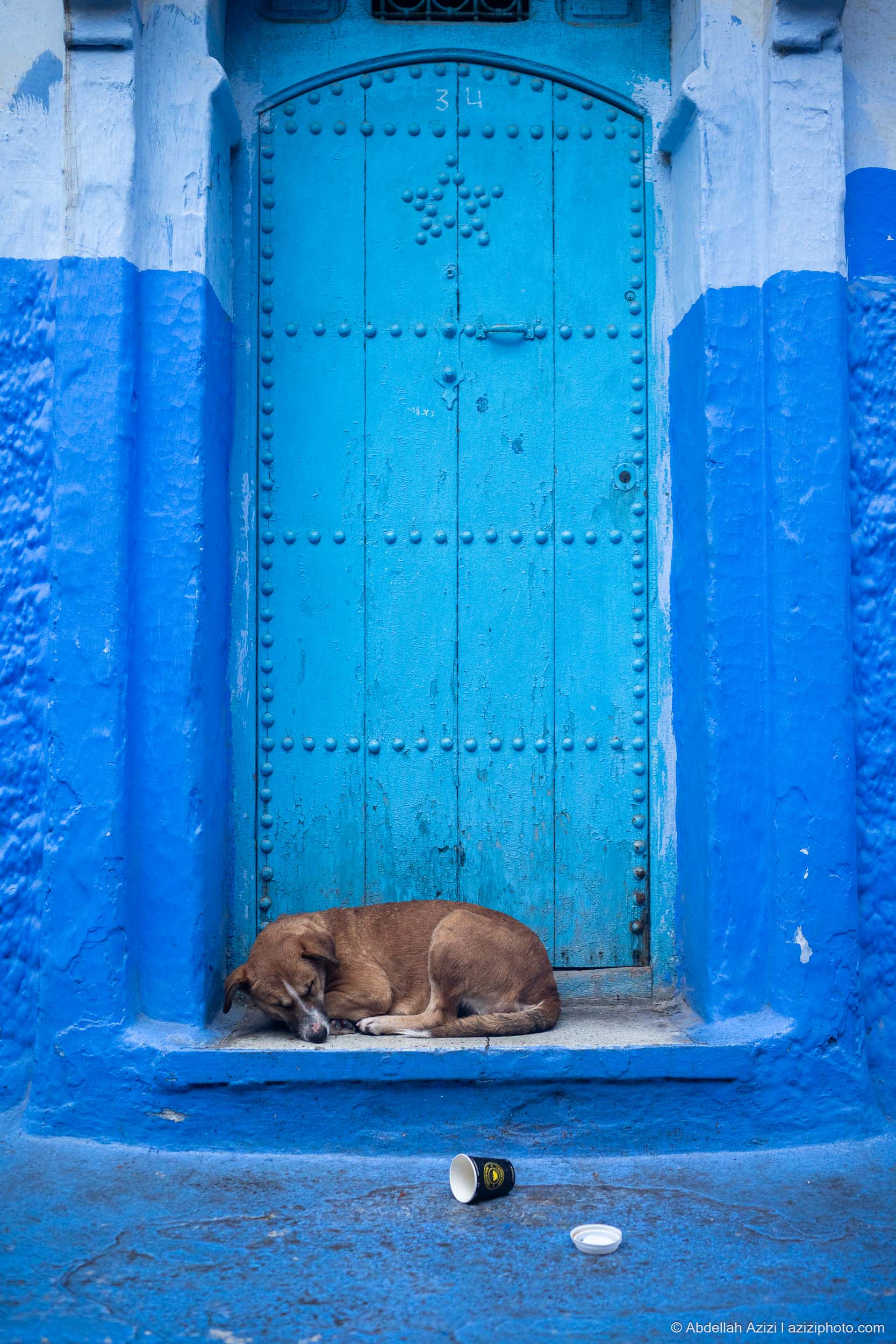
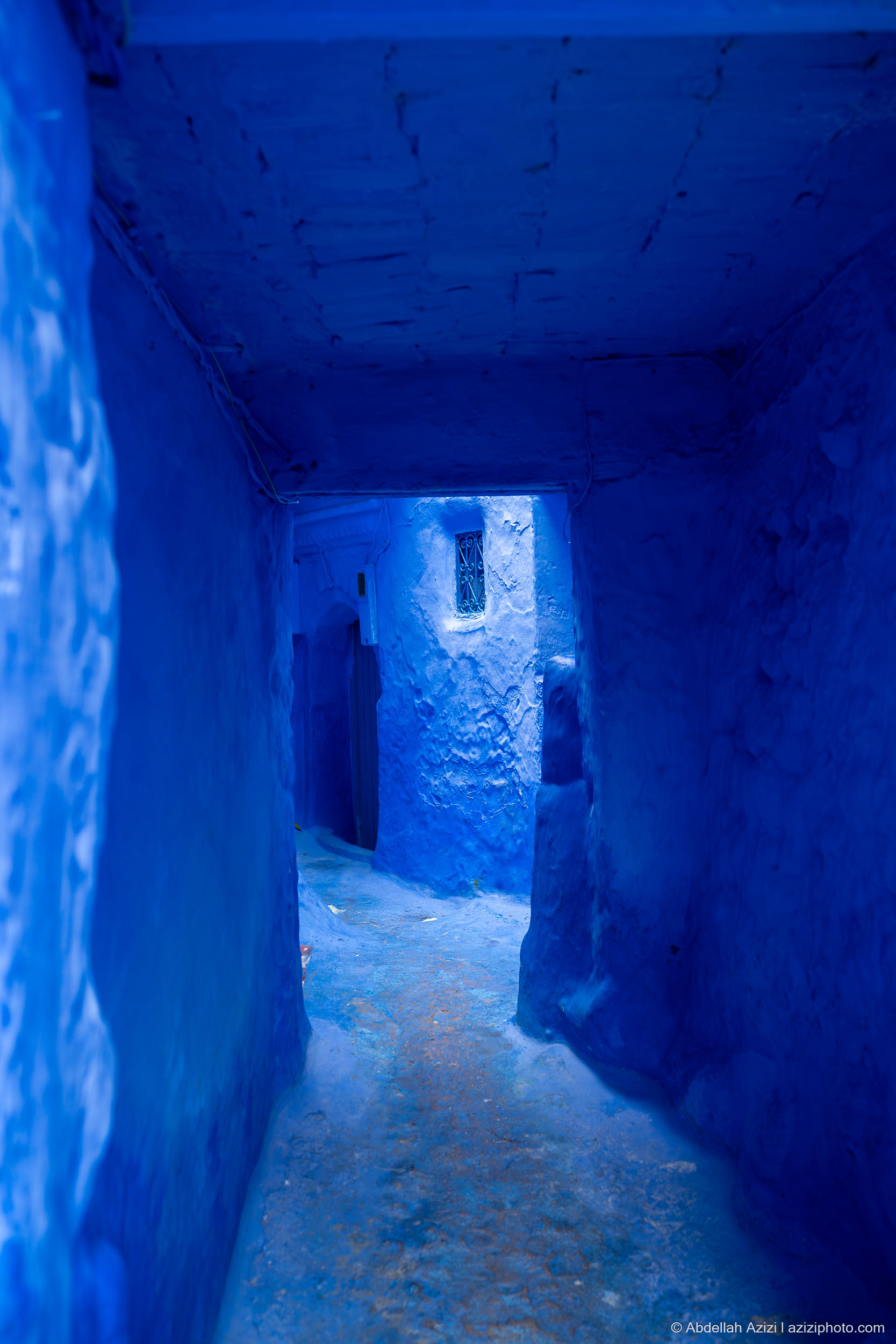
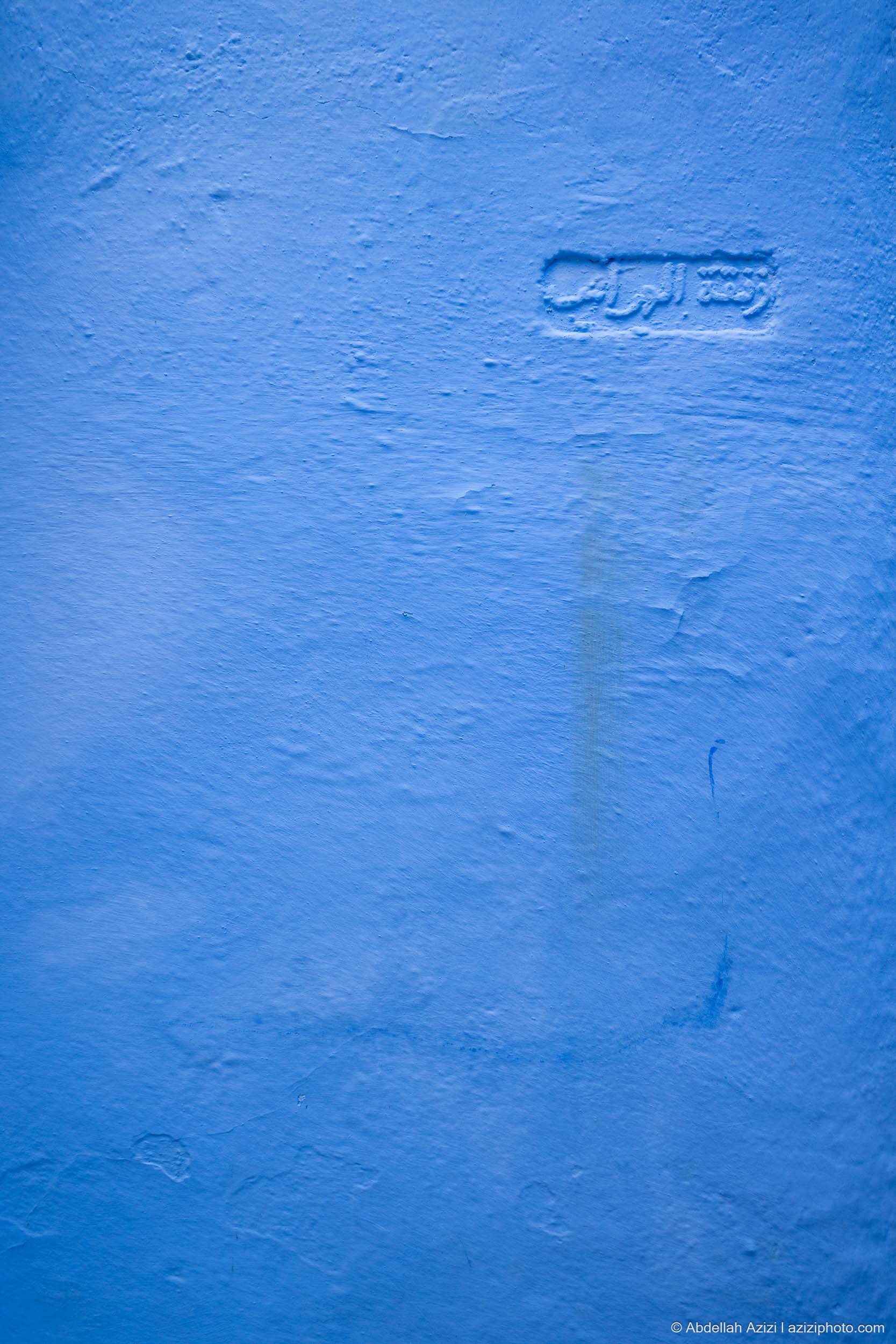
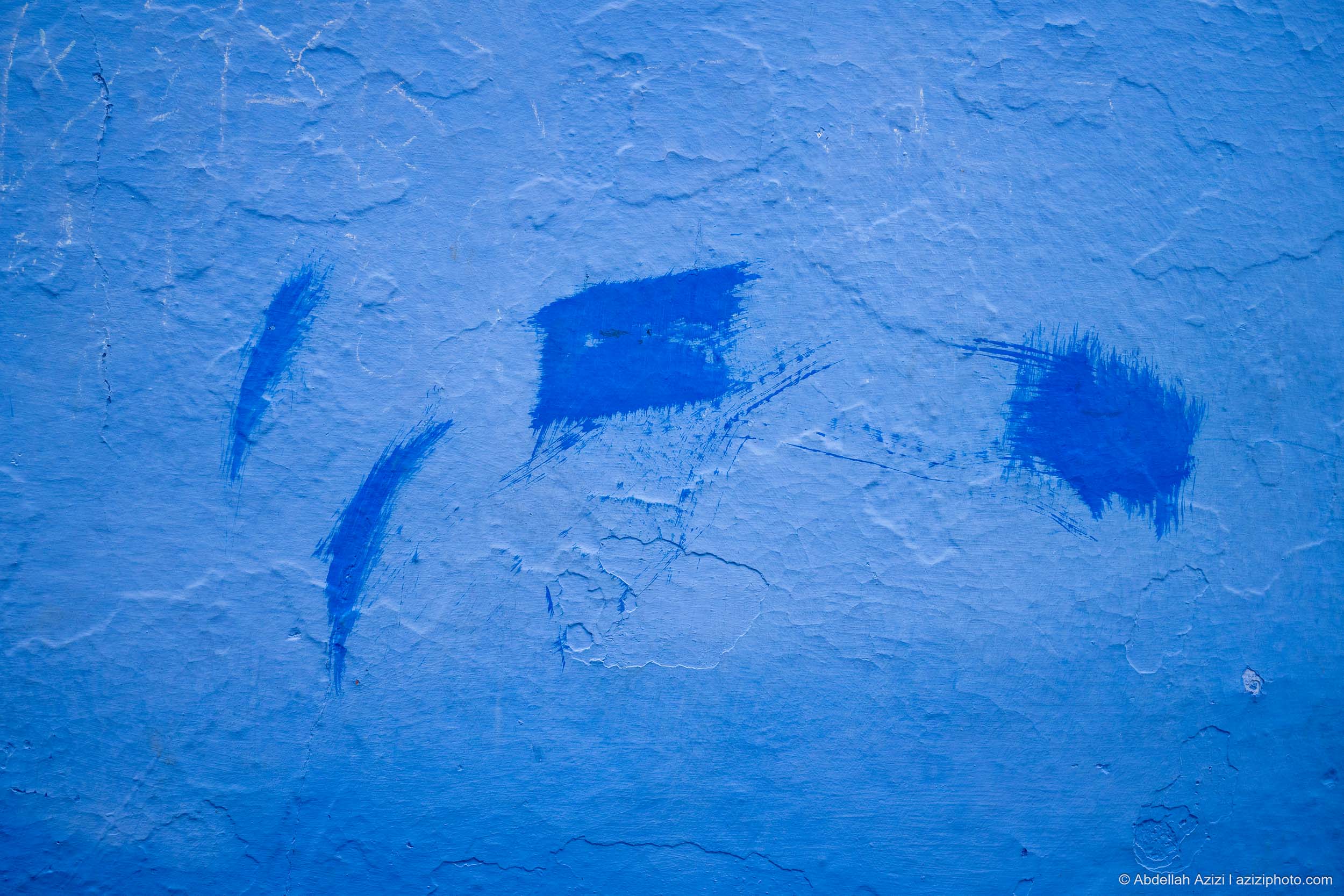
The blue walls darken and gain density. Under direct sun, the pigment can look flat and chalky. In the rain, it absorbs light instead of reflecting it. Surfaces feel heavier. Textures become visible.
The cloud cover acts as a natural diffuser across the entire medina. Harsh shadows disappear. Highlights stay controlled. Subtle variations in plaster, stone, and wood begin to matter more than color alone.
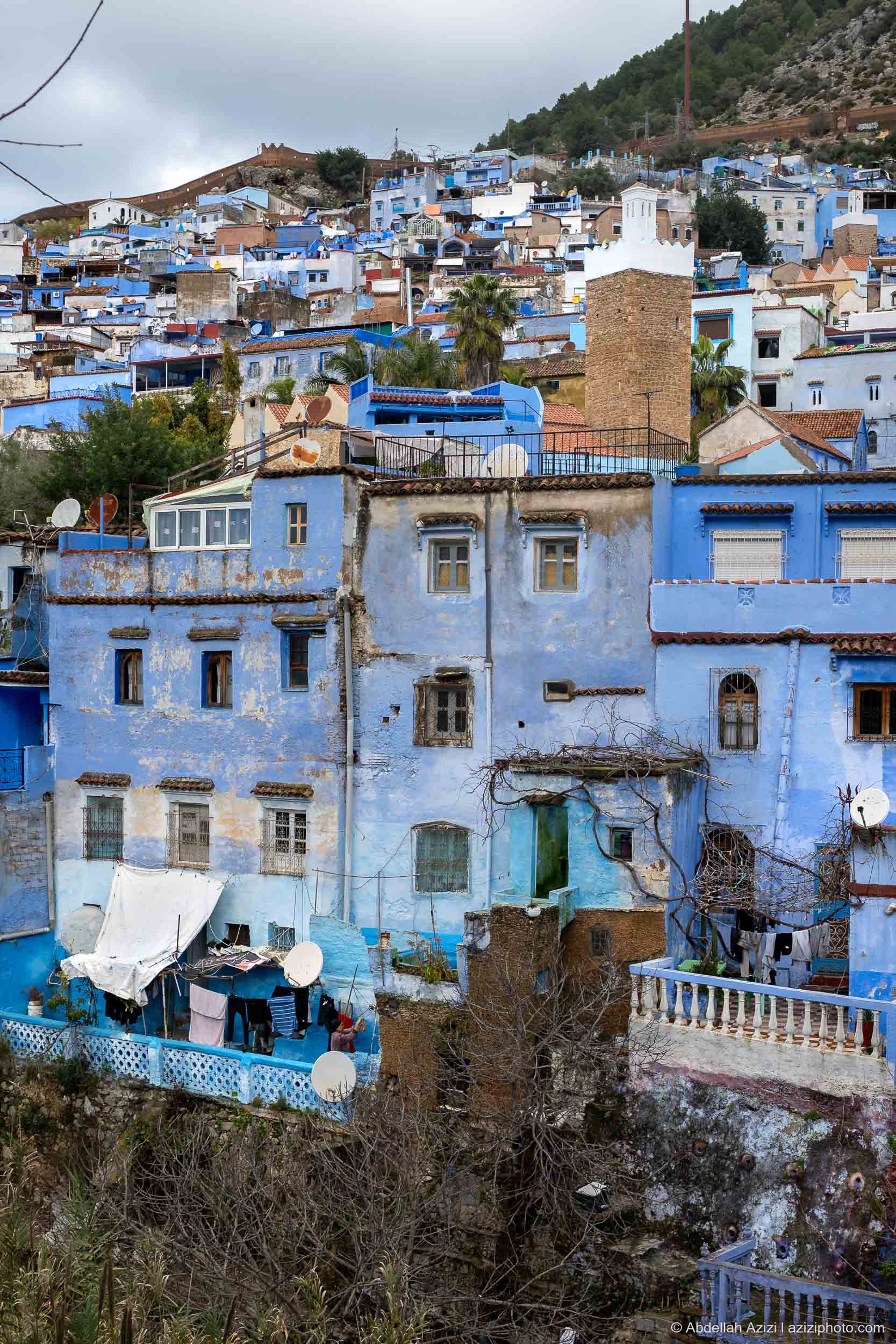
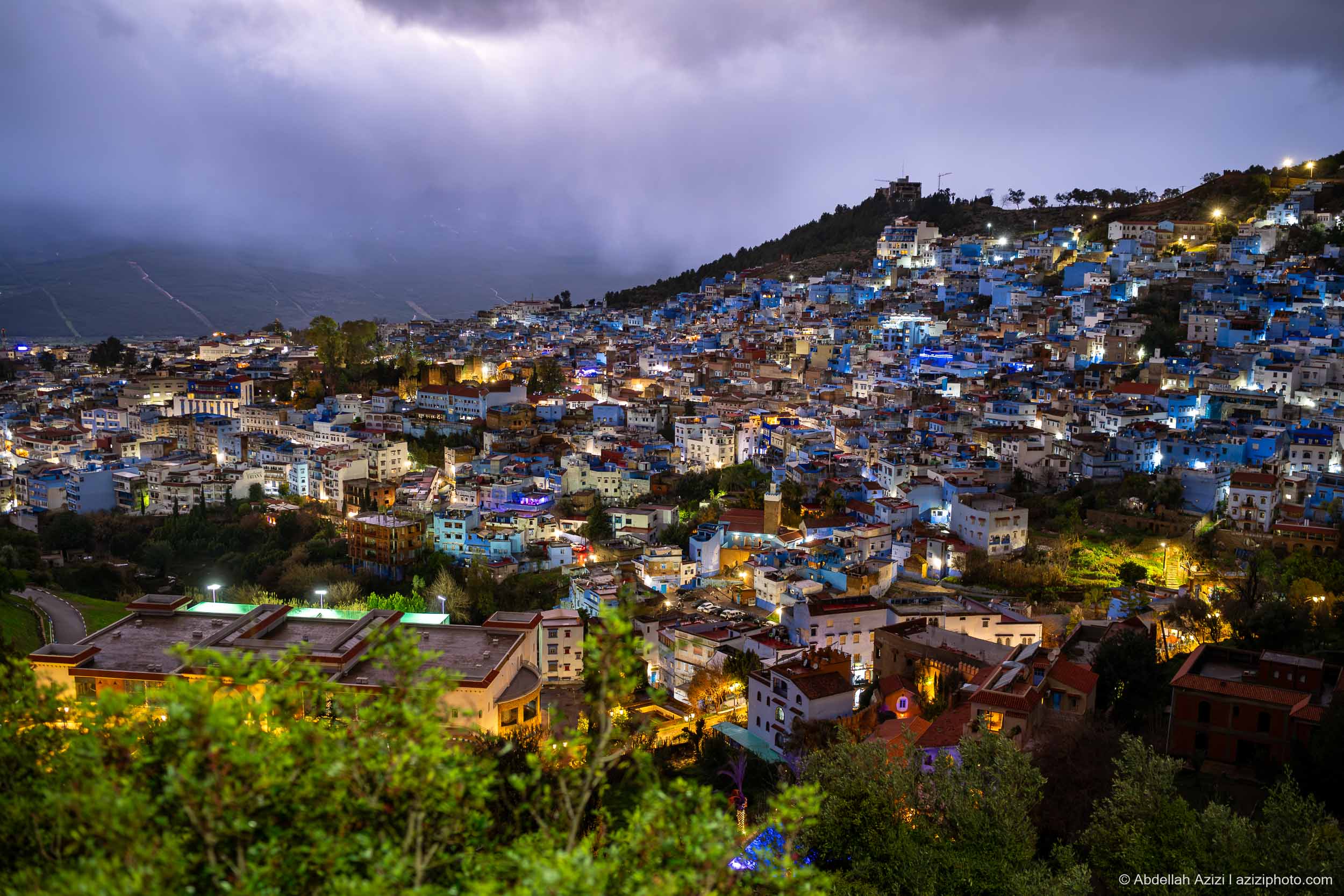
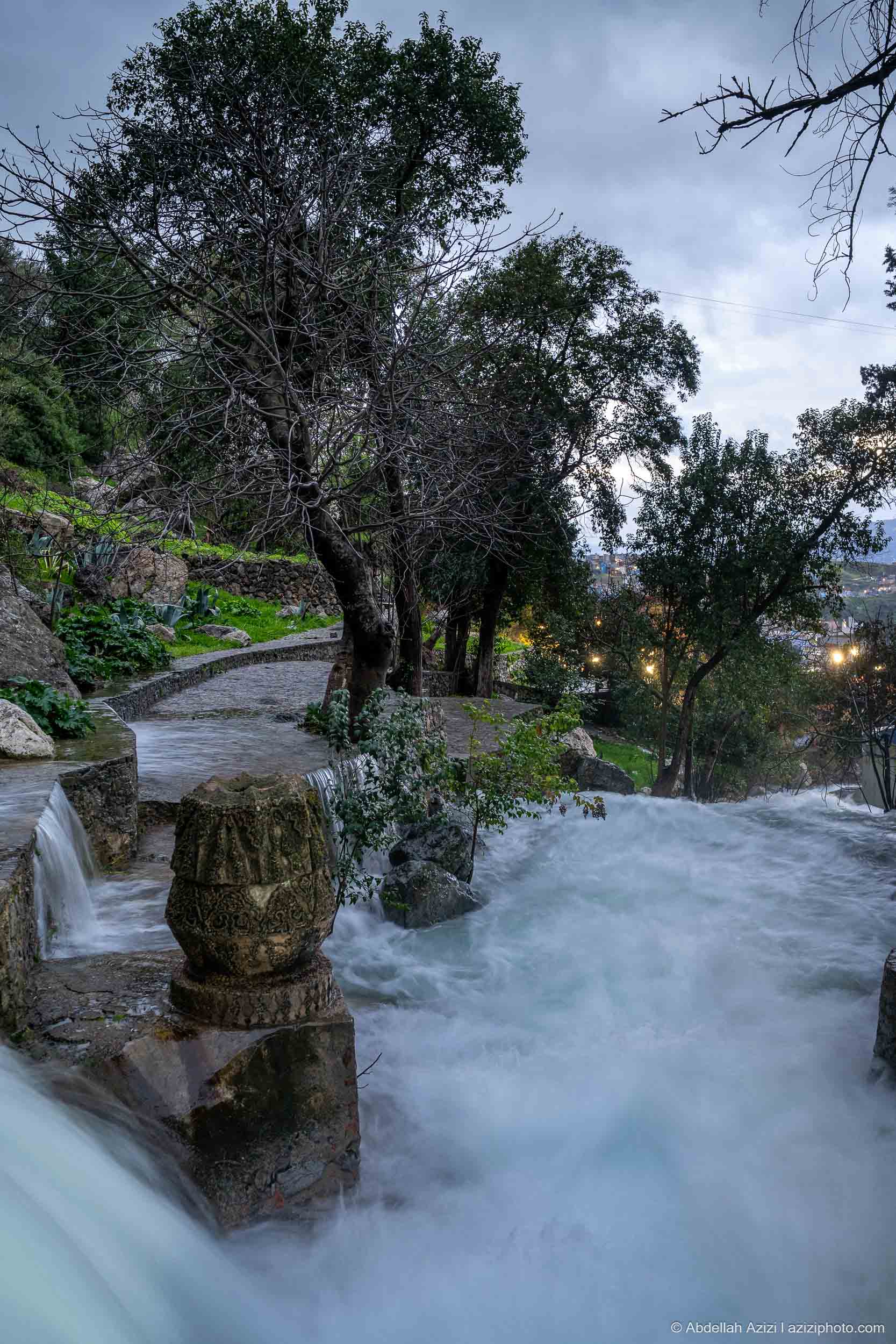
In the night panorama overlooking Chefchaouen, low clouds settle against the Rif Mountains while scattered city lights separate the layers of the hillside. The town reads less like a tourist icon and more like a mountain settlement shaped by climate and terrain.
A Quieter Medina
Rain changes movement.
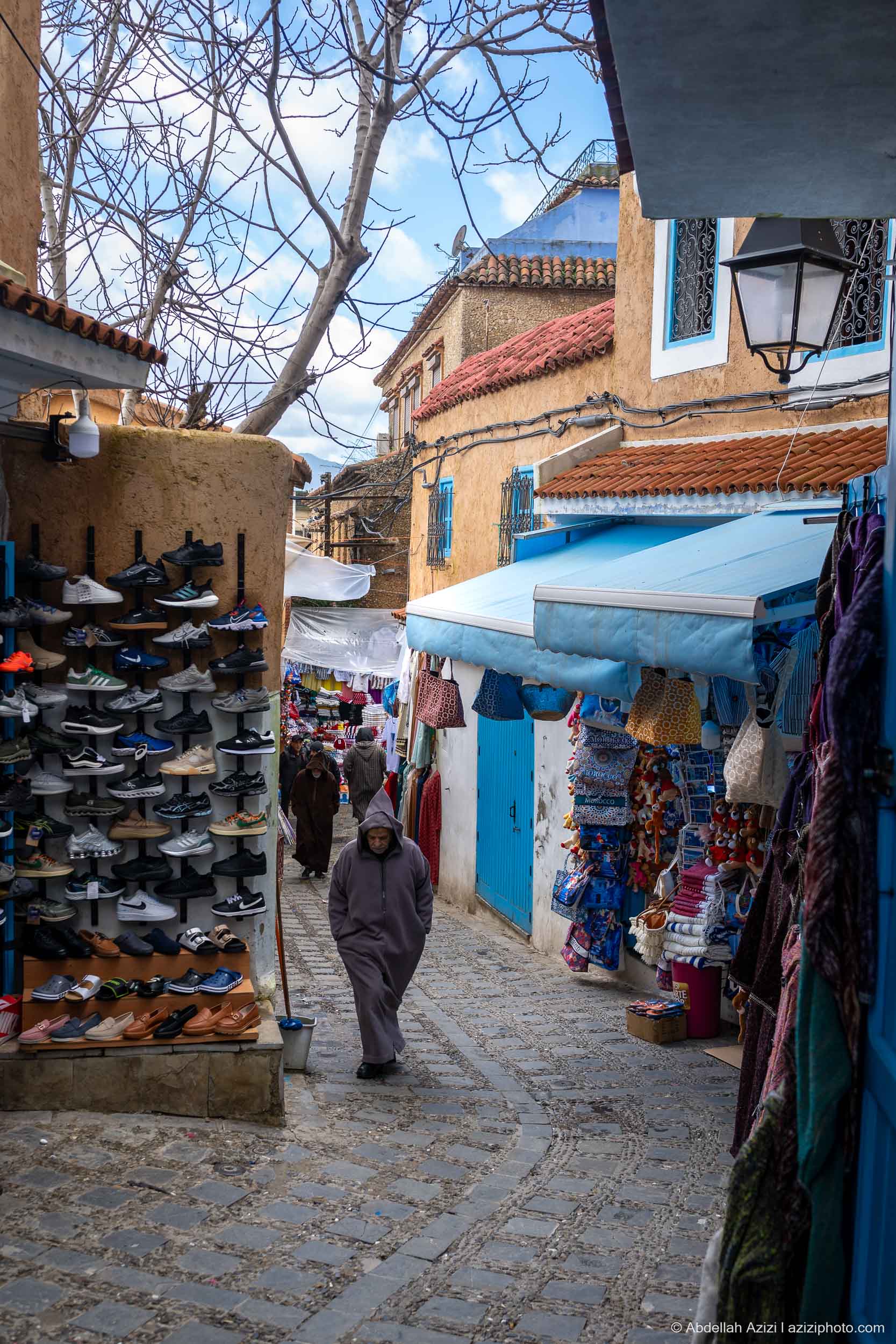
The medina slows down. Fewer visitors. Doors partially closed. Shopkeepers adjust rather than pose.
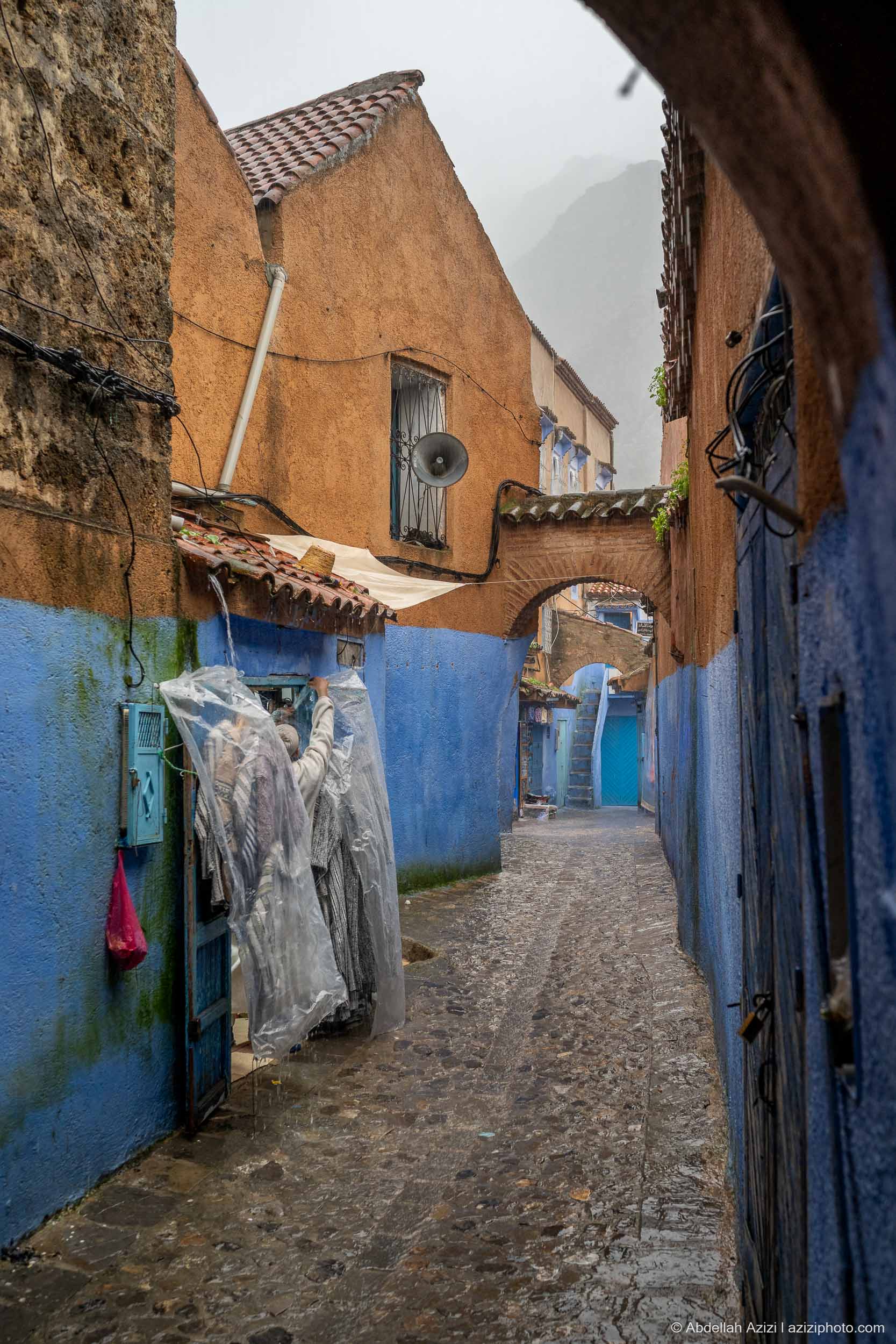
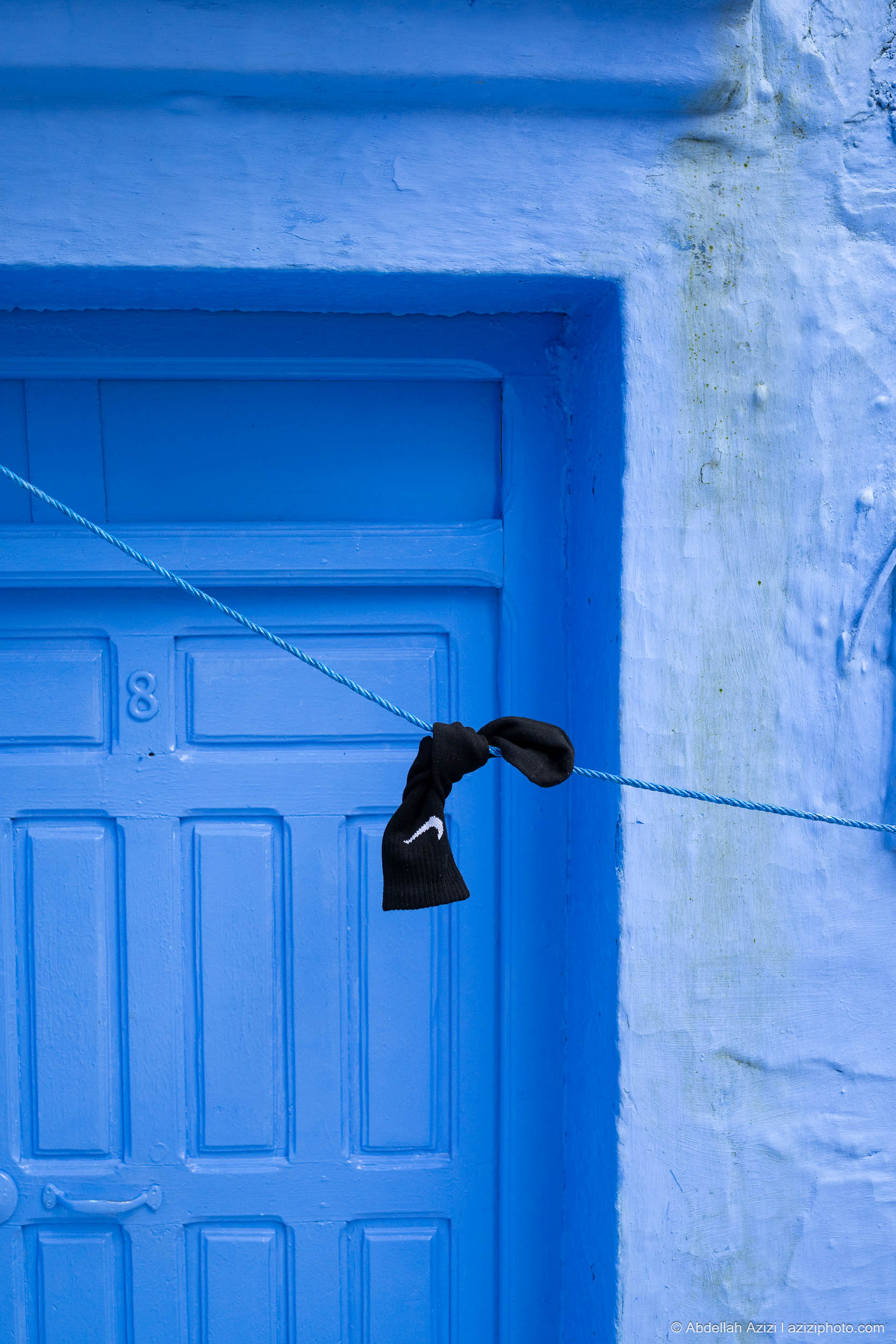
In one frame, a vendor protects his garments with heavy plastic sheets. It’s practical, not staged. The image works because it shows adaptation. Chefchaouen is not a decorative backdrop,it’s a working town.
Wet cobblestones reflect light unpredictably. Working with a 35mm lens meant staying close to those details, stepping into the space instead of compressing it from afar. Compositions simplify because distractions disappear, and distance is no longer an option.
The runoff from the Rif feeds the town’s springs. When the water level rises, the link between mountains and architecture becomes obvious. The blue walls are not isolated aesthetics they exist within a specific geography.
The Morning After
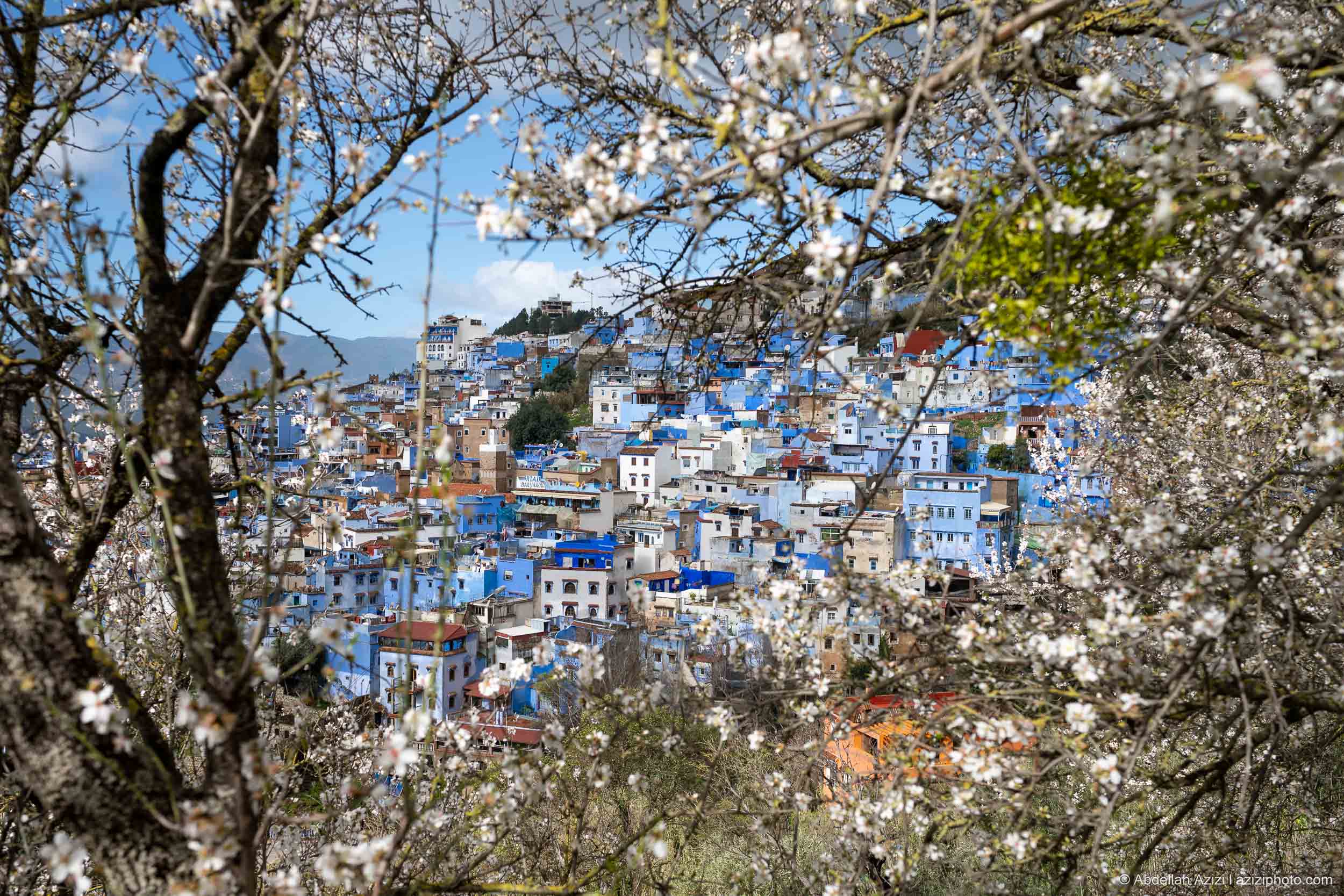
When the rain cleared, the city looked sharper. Cleaned. Reset. The following morning delivered the wide, sunlit views people expect. Clear sky. Layered hills. Defined structures. But those images carried more weight because they followed the storm.
Instead of chasing a single iconic frame, the goal was to document transition—how light, water, and atmosphere reshape the same streets within hours. That approach defines my work as a professional photographer in Morocco: observation first, spectacle second.
A city shaped by blue
Perfect weather produces predictable images. Interesting weather produces depth.
Chefchaouen doesn’t need stronger saturation or heavier contrast. It needs attention, to texture, to light, and to the realities that shape it. The rain simply makes those realities impossible to ignore.