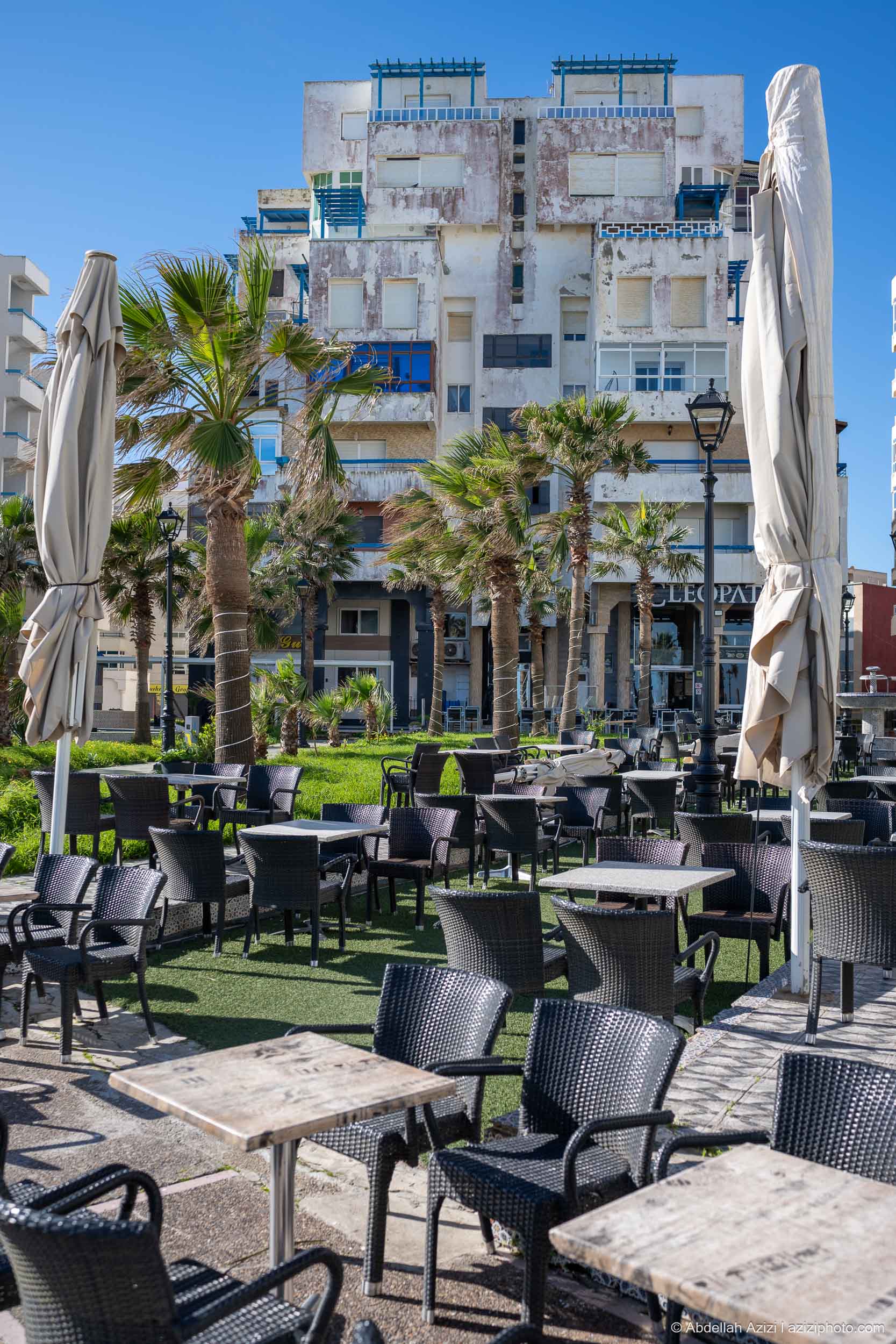
Tétouan to Martil, Off-Season Light
Northern Morocco is often photographed at its busiest. I went in the quiet months.
Using a Nikon Zf with a 35mm lens, I moved between Martil and Tetouan, two cities shaped by very different rhythms: one seasonal, one permanent.
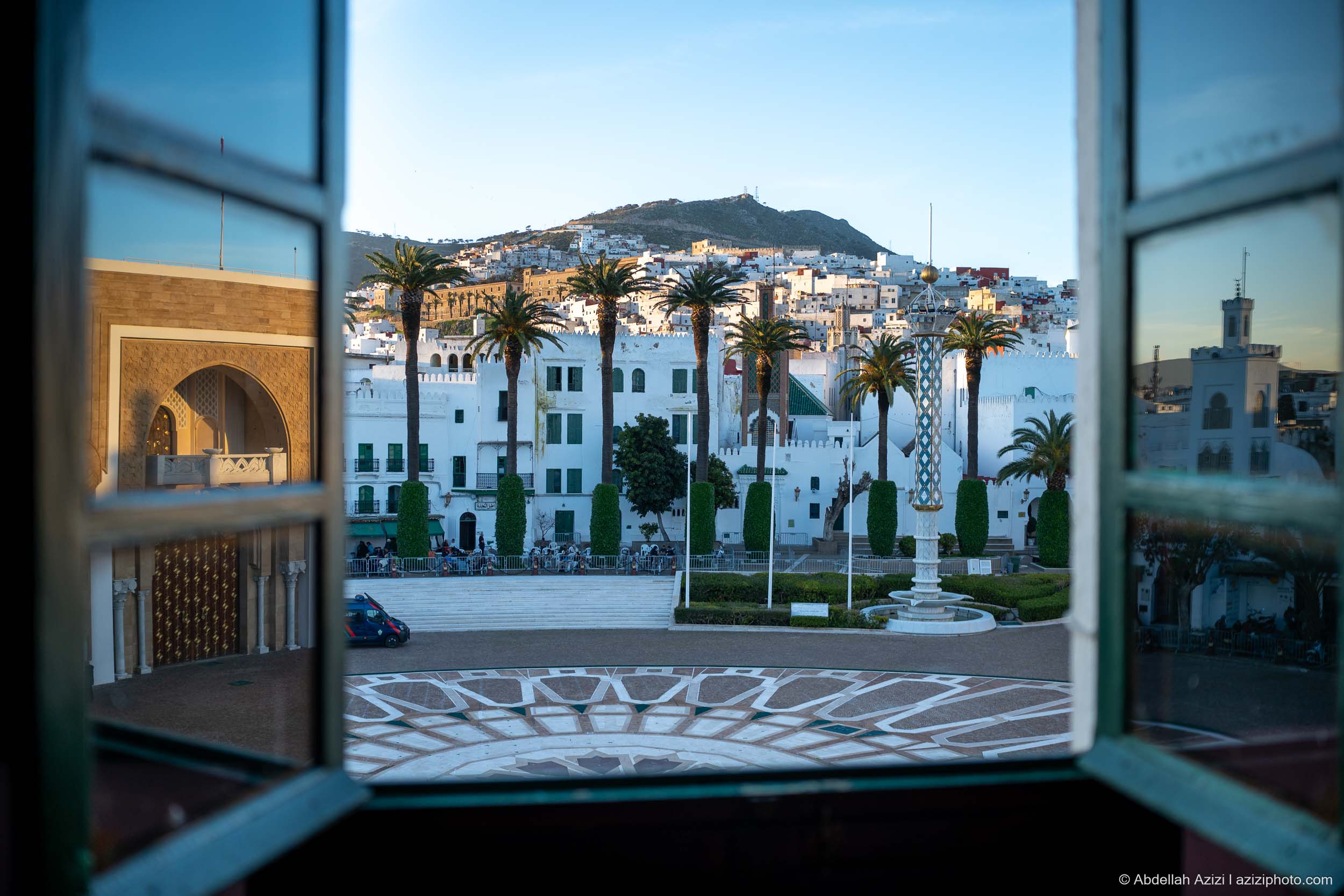
Tetouan,Built to Last
Tetouan feels different the moment you enter.
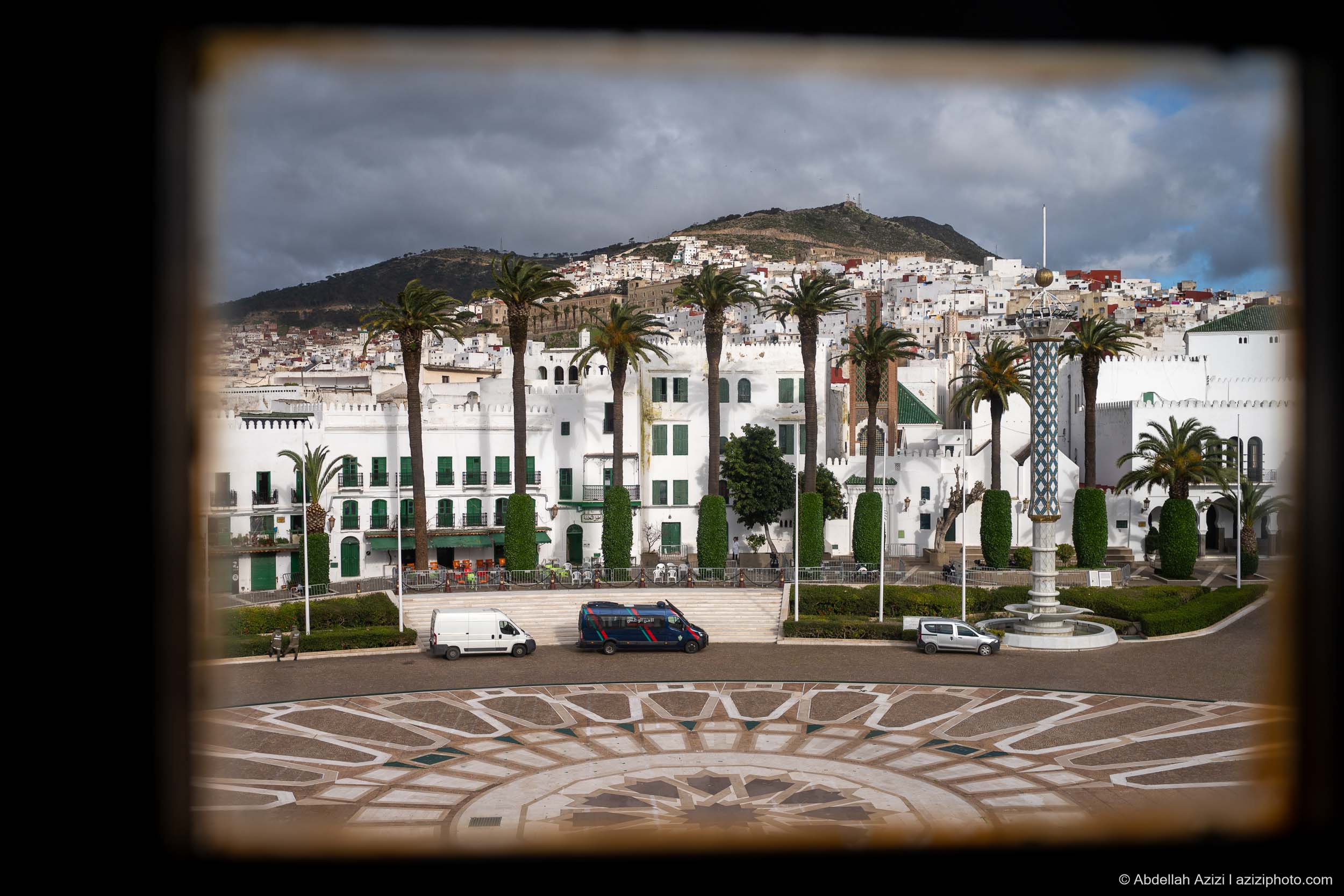
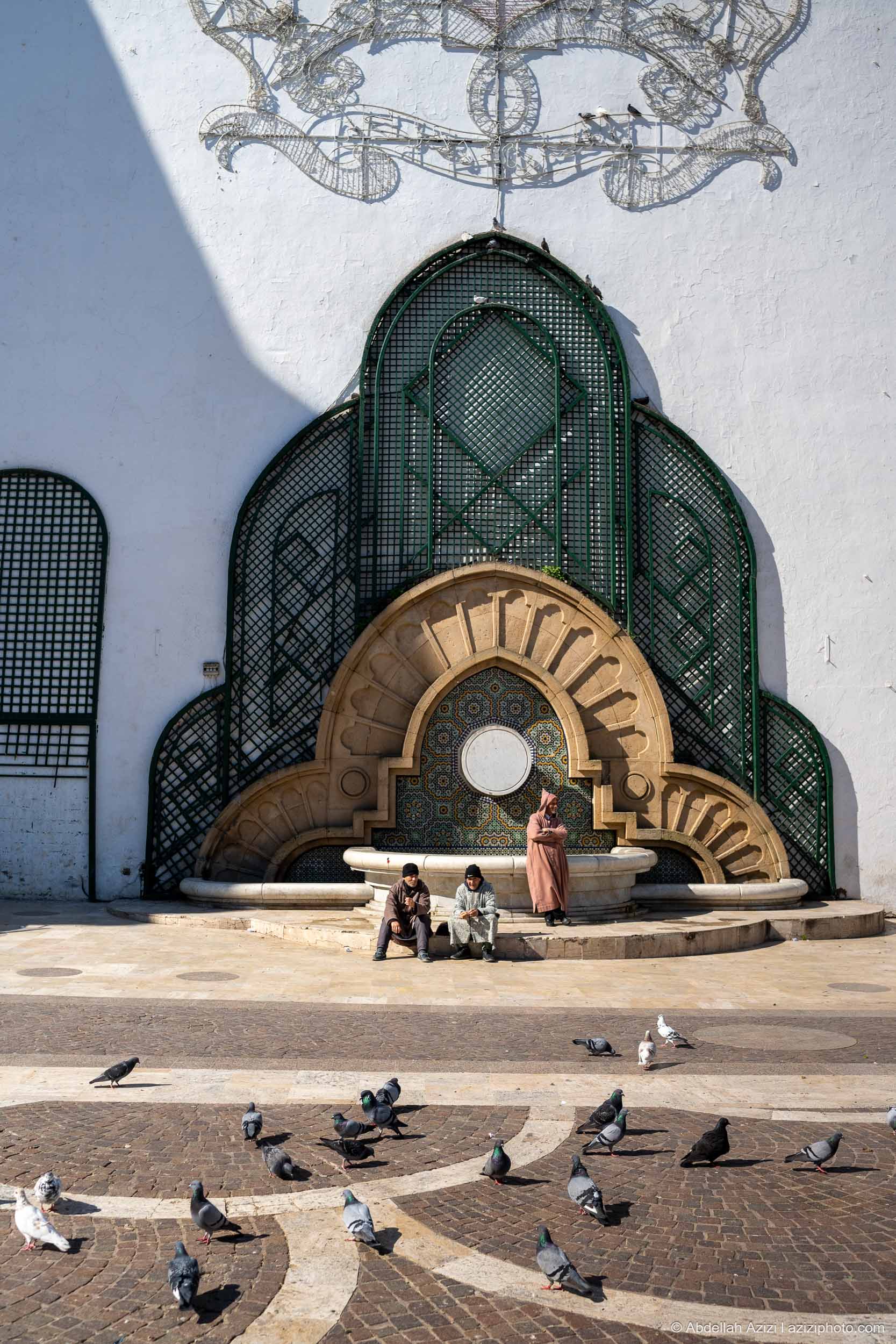
From the windows overlooking Place El Mechouar, the white façades rise against the mountains; controlled, deliberate, almost defensive.
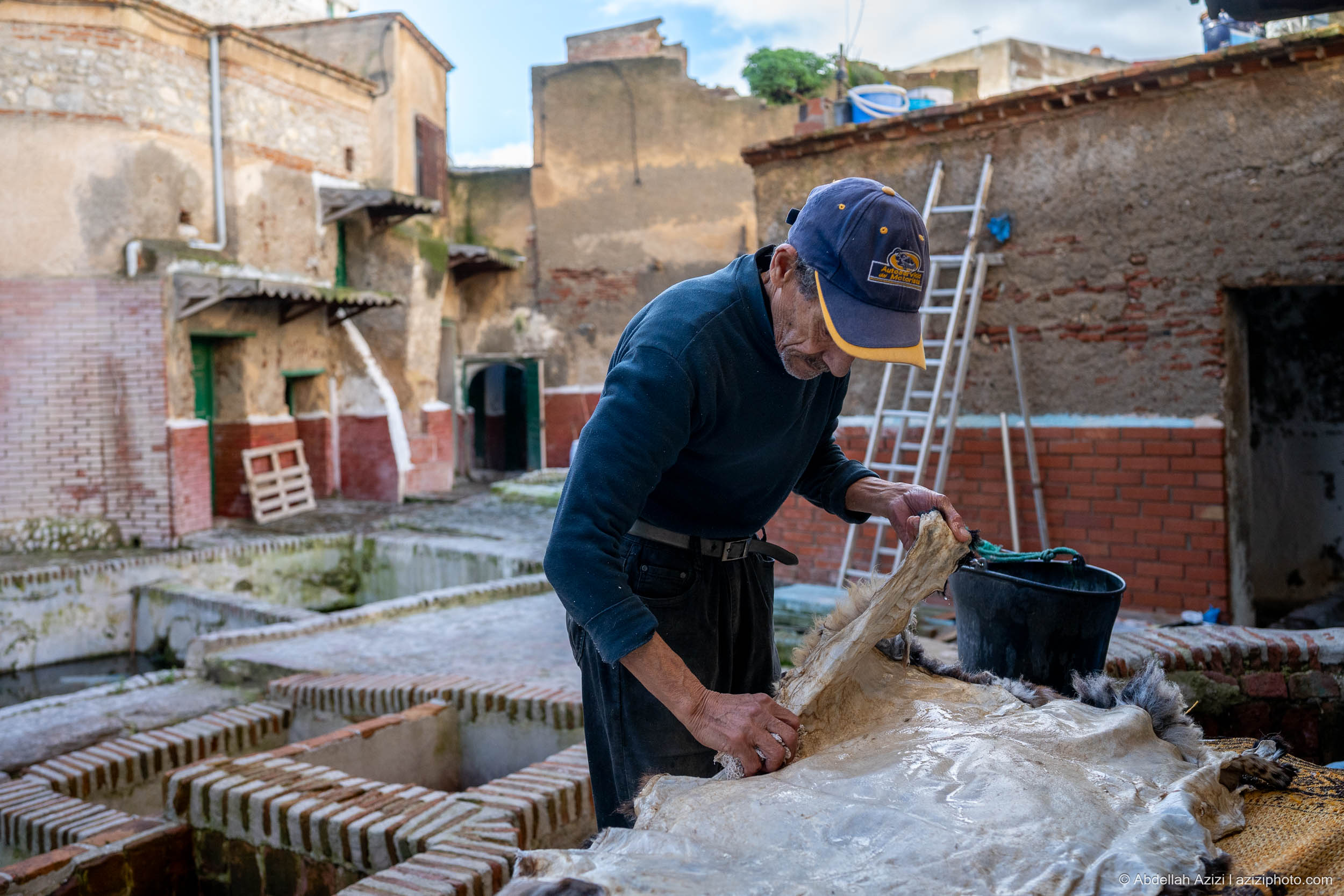
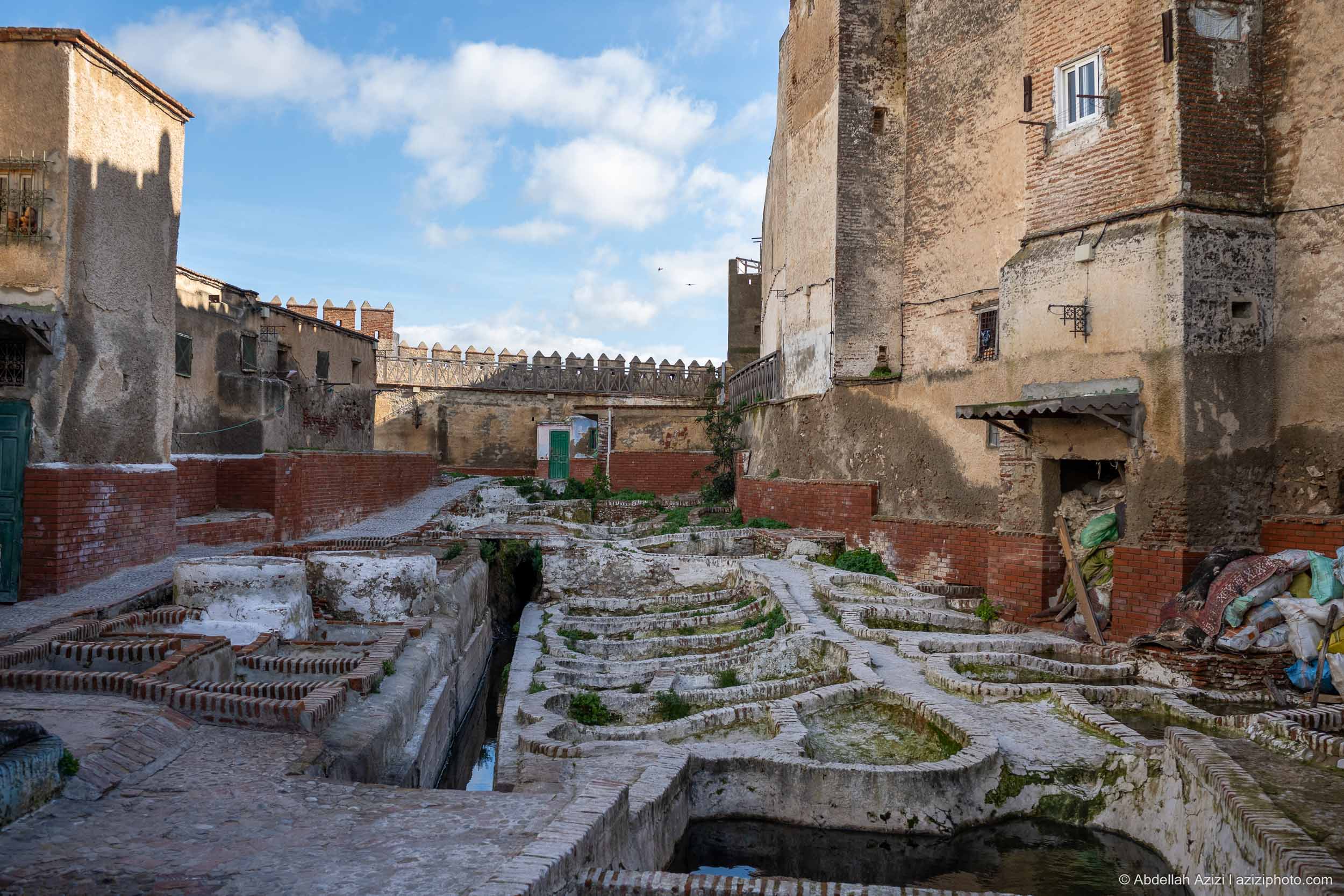
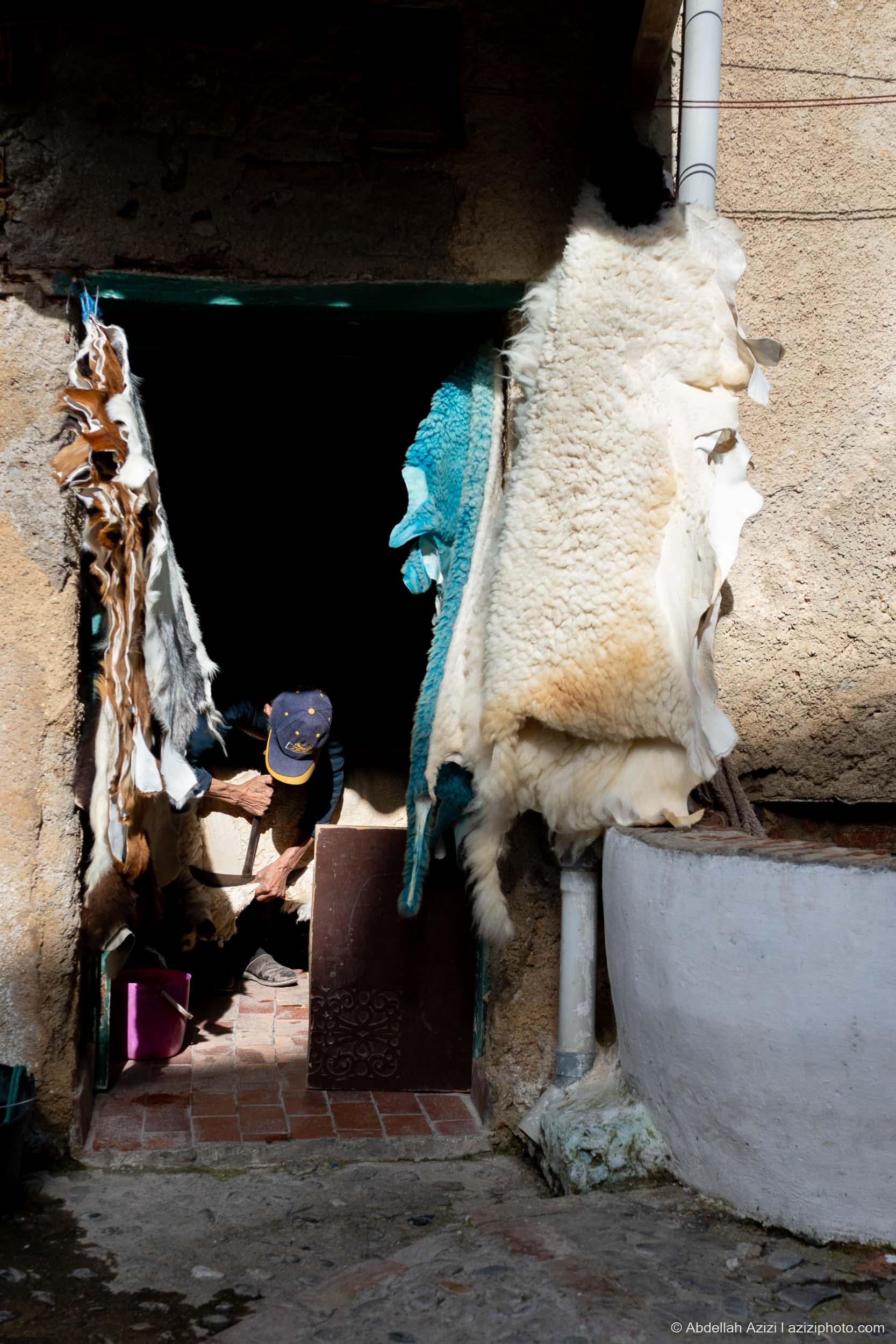
In Dar Dbagh, the tannery, there is no nostalgia. Only work.
With a 35mm lens, you don’t observe from a distance. You step into the space. Raw hides. Stone vats. Hands repeating gestures that haven’t changed for generations.
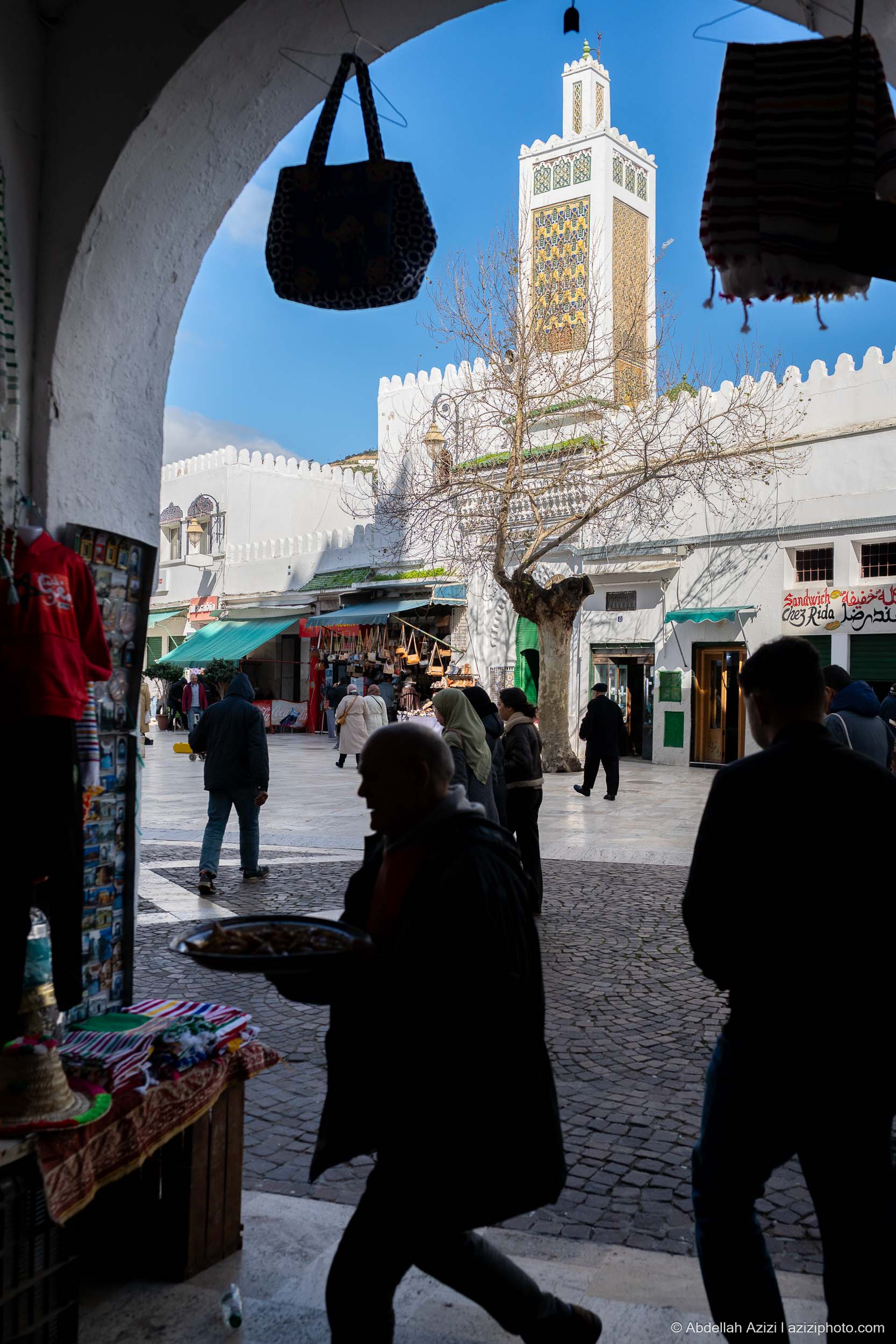
Martil, Built for Summer
In winter, Martil slows down.
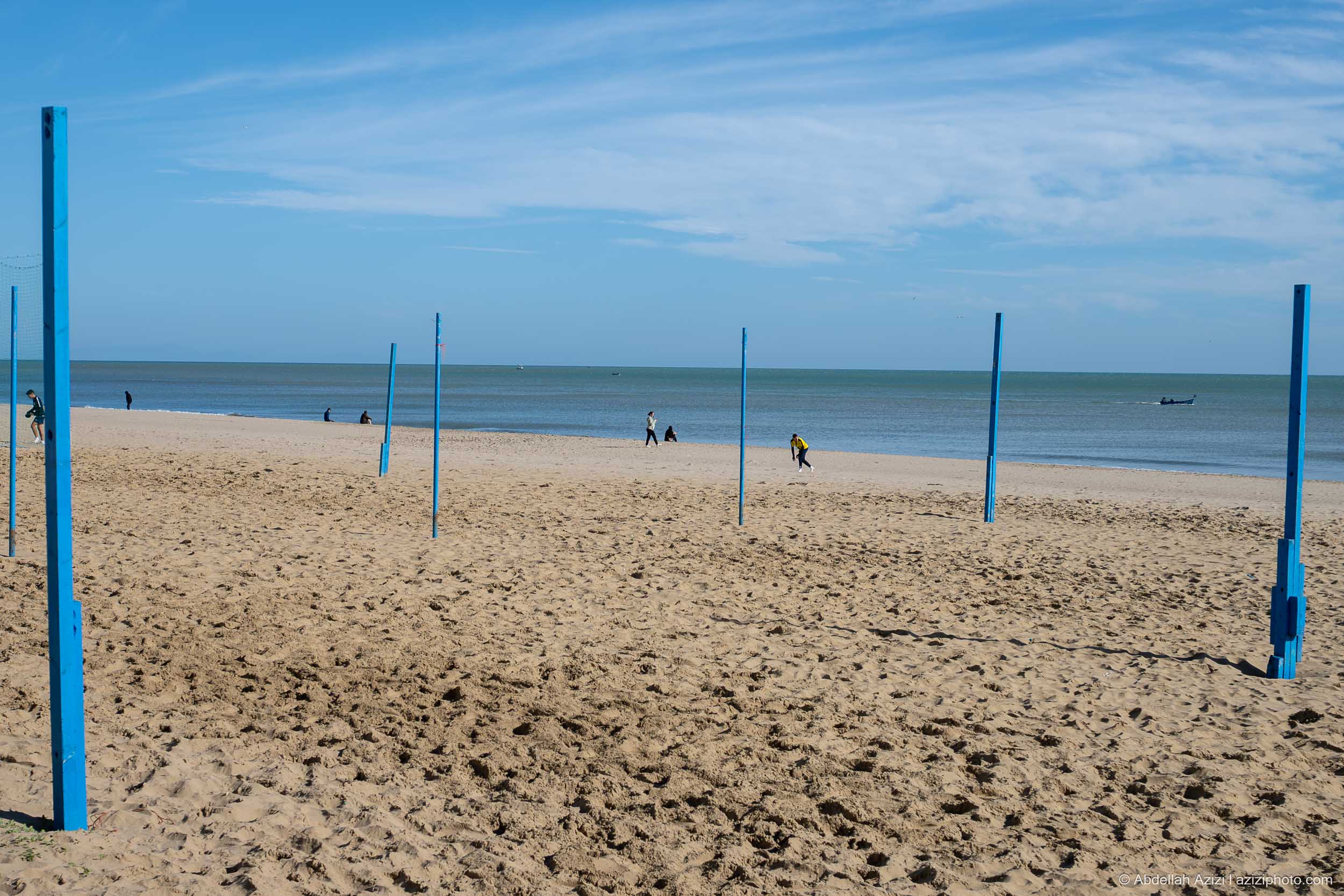
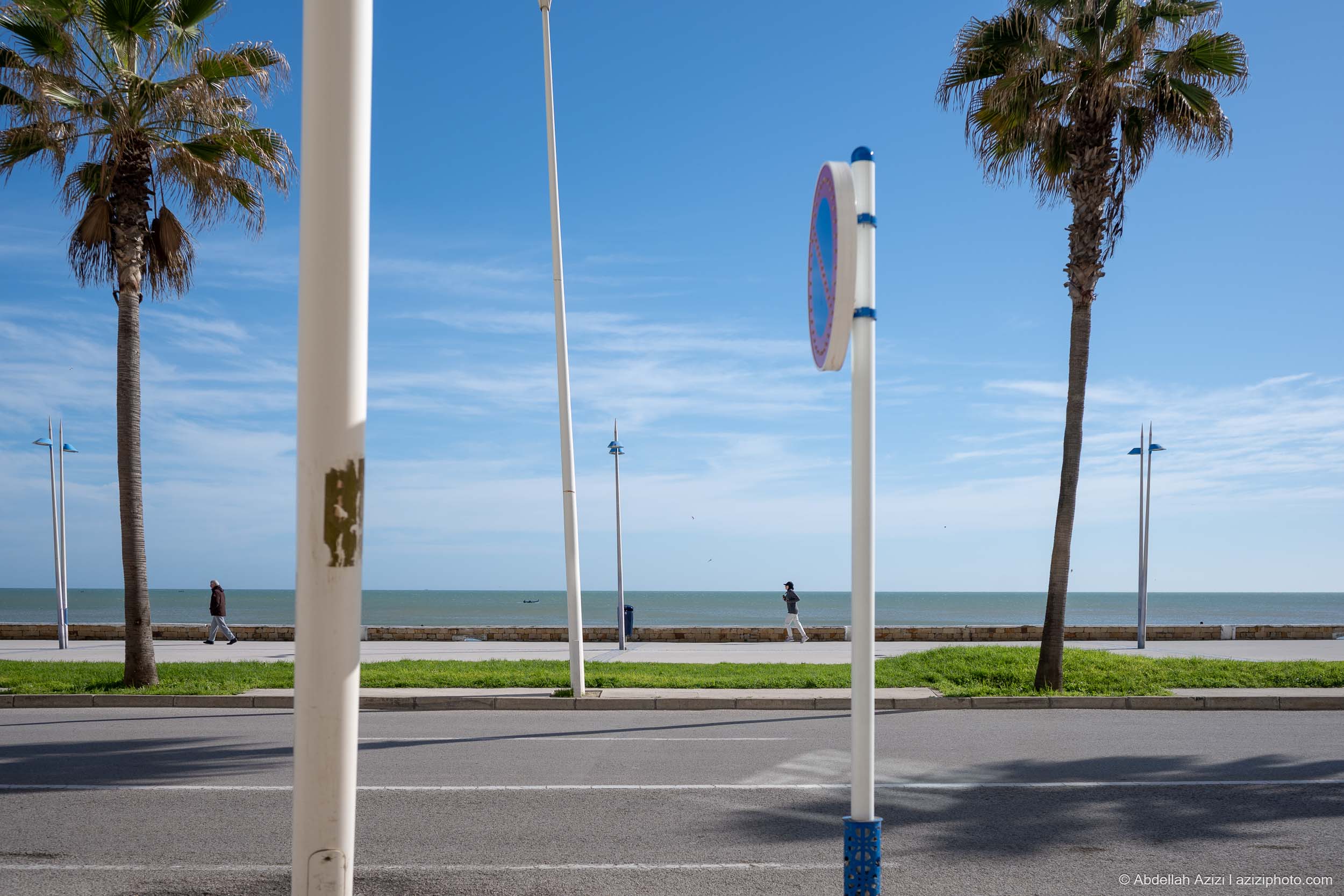
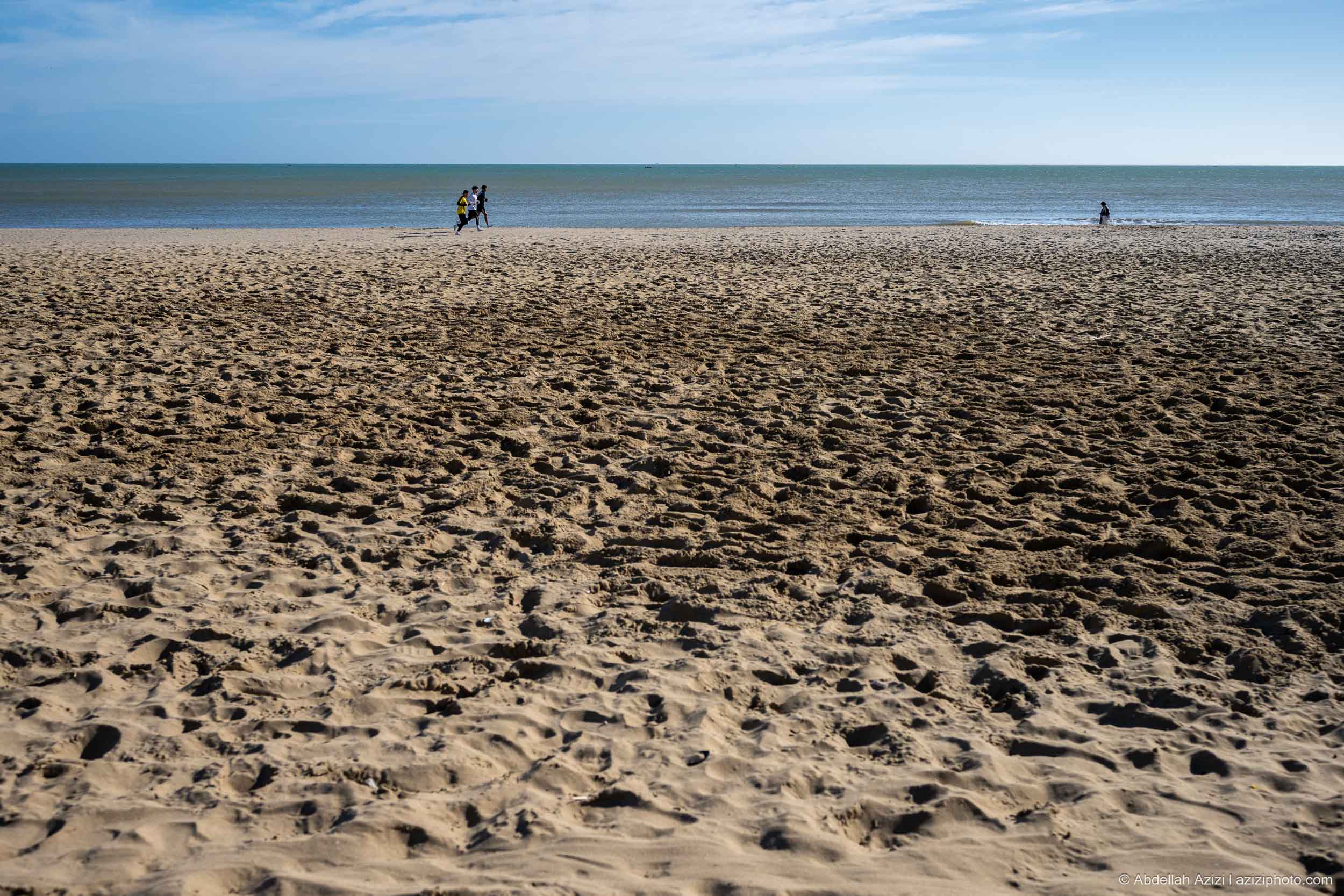
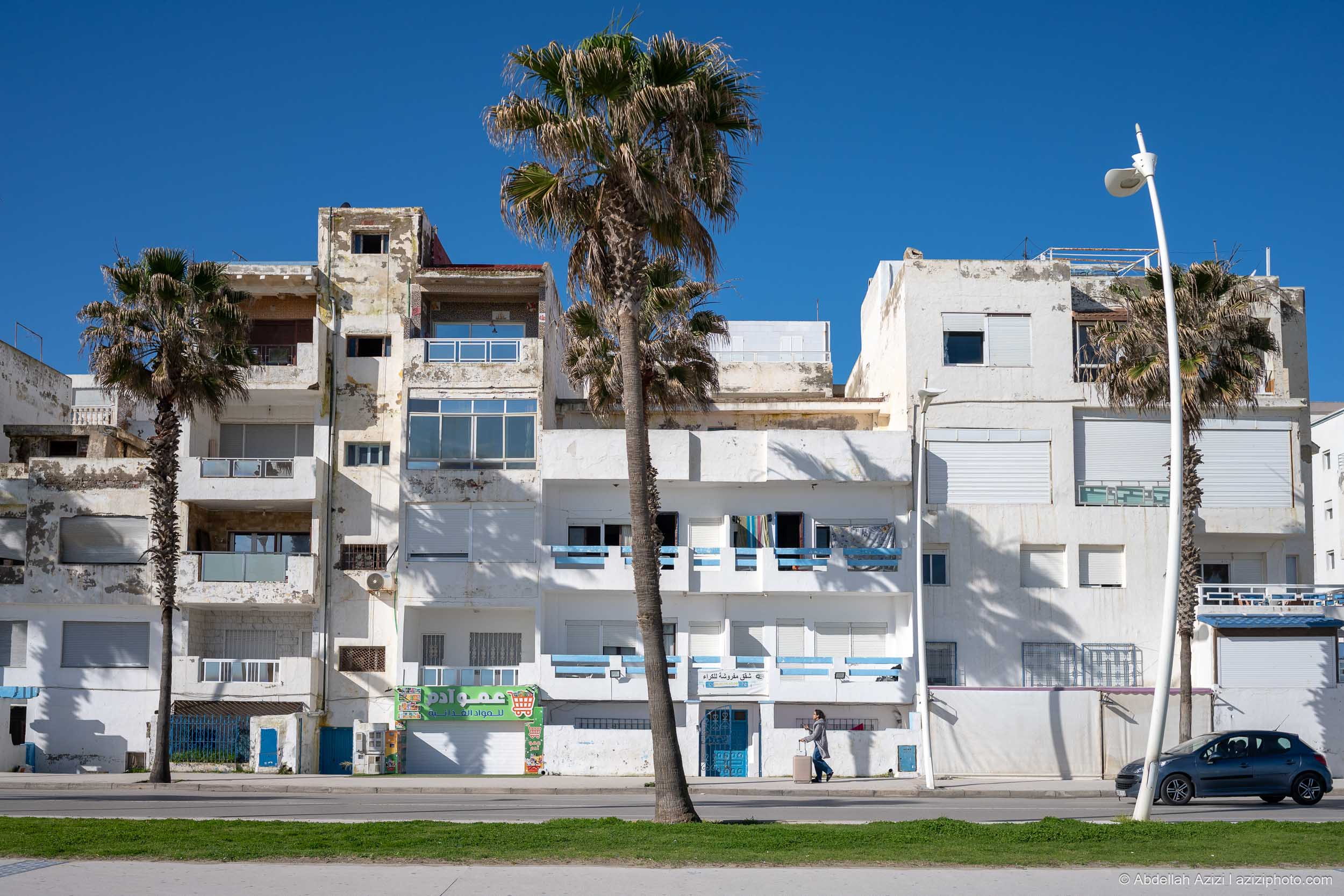
Closed apartments. Empty beaches. Blue volleyball poles standing against a flat horizon. Without the summer crowds, the town feels exposed; its infrastructure oversized for the silence.
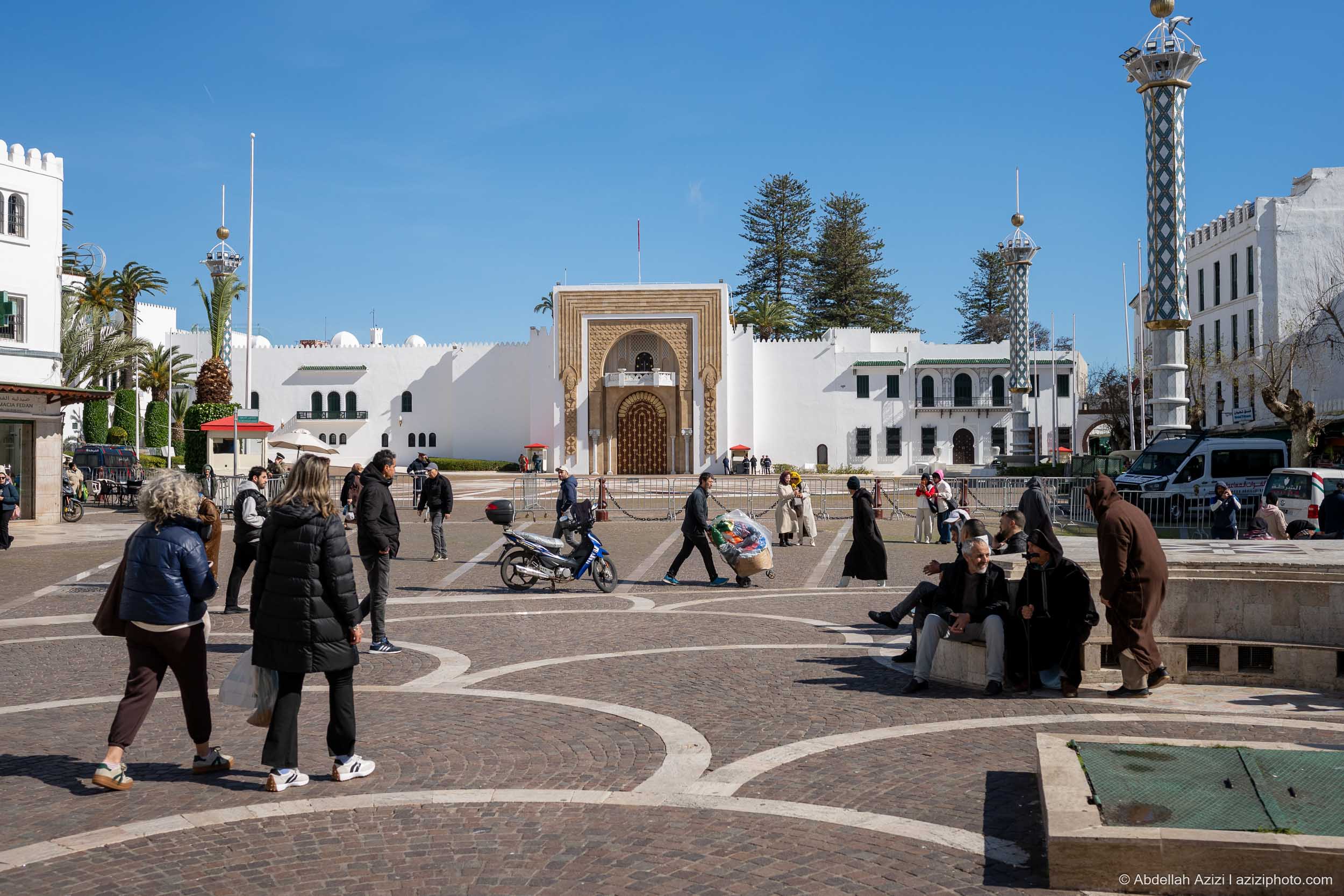
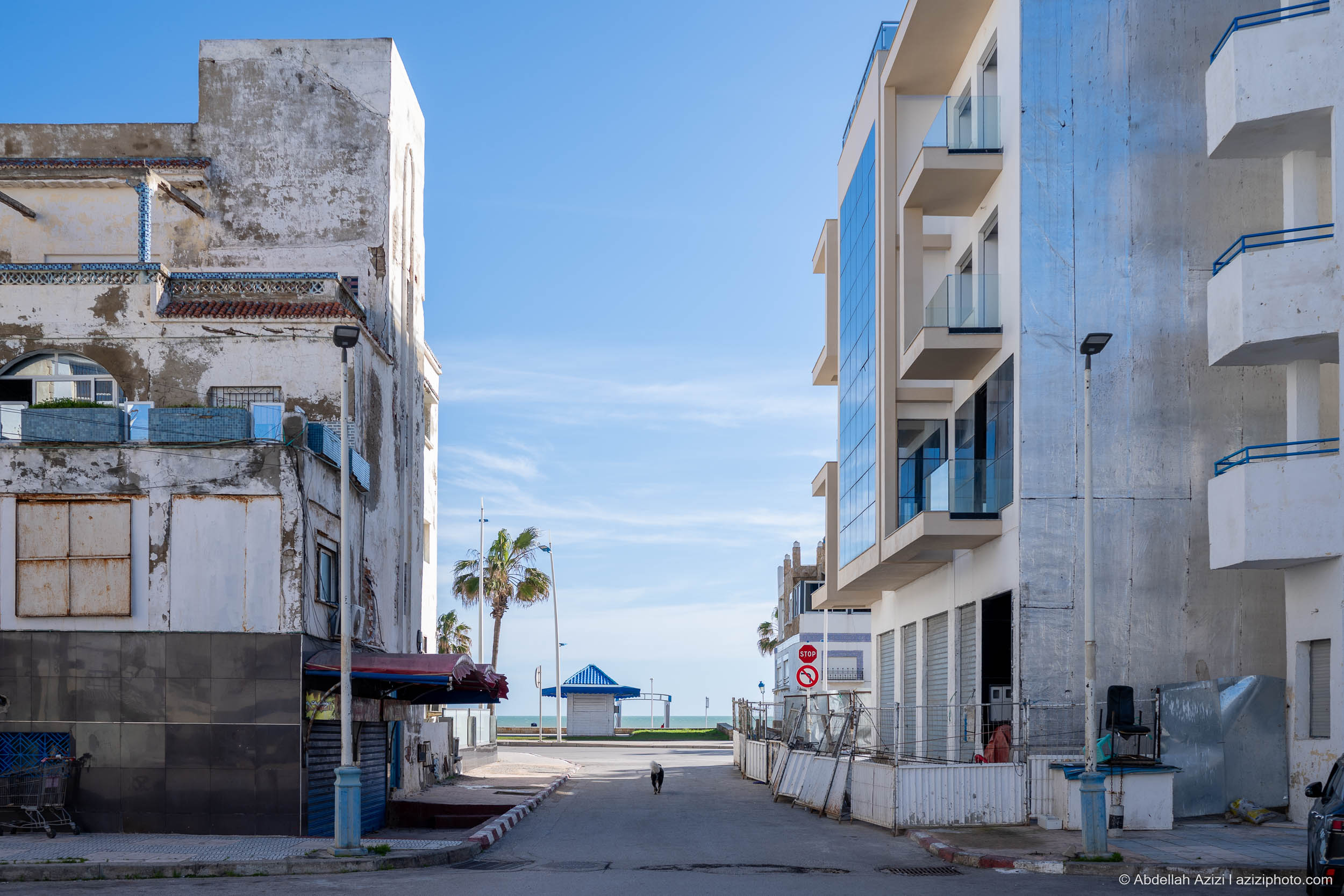
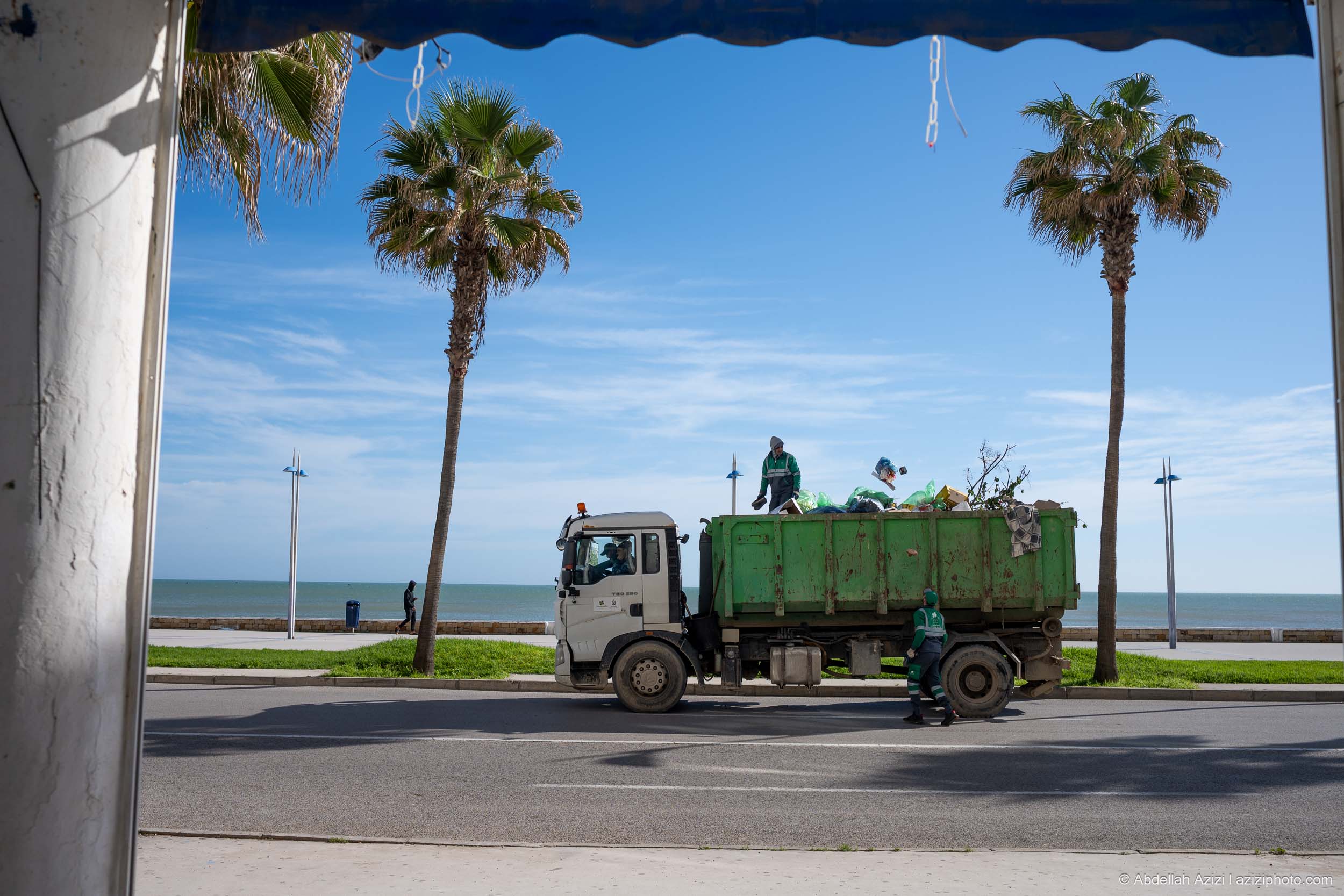
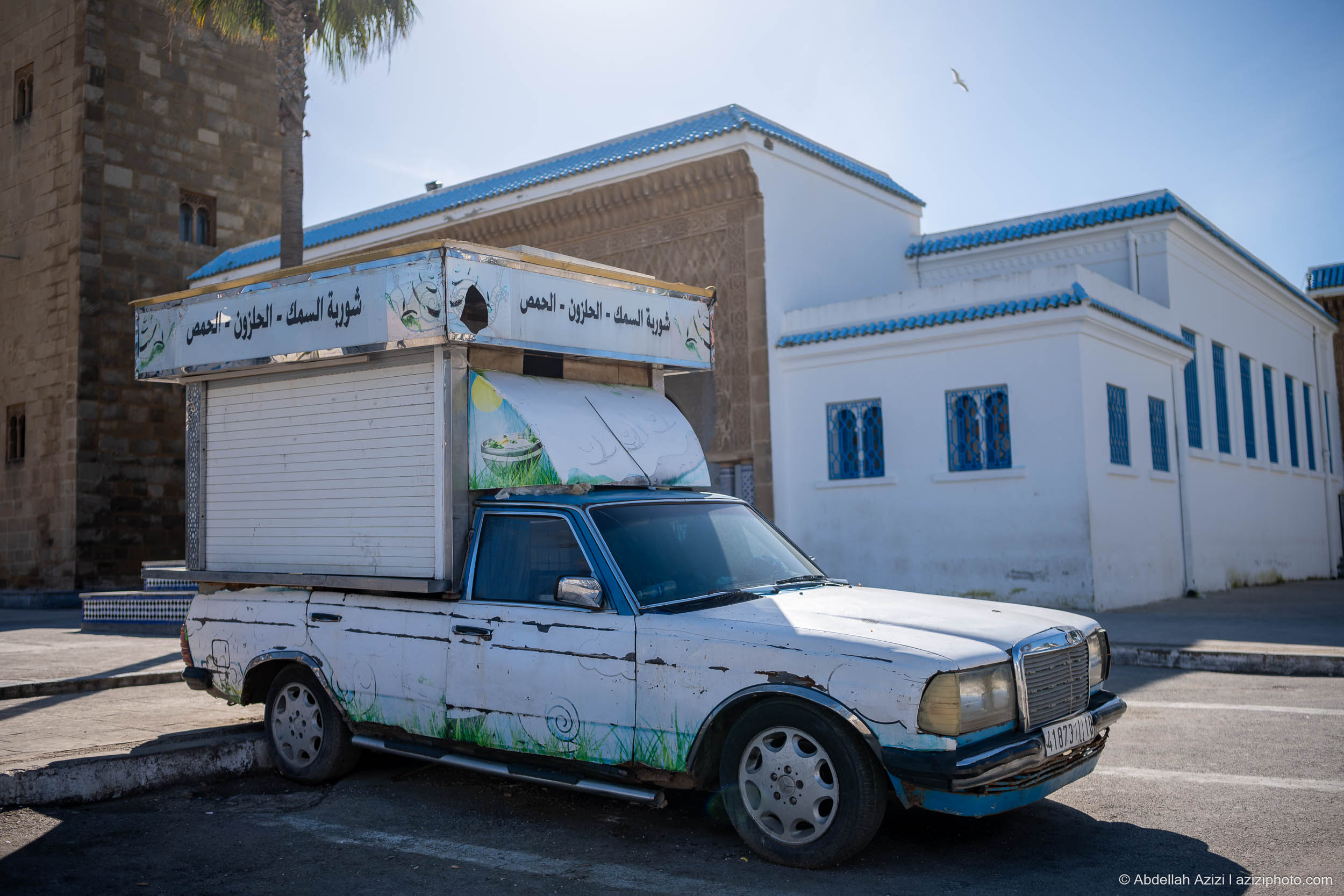
But life doesn’t disappear. A municipal truck on an empty road. A lone figure crossing a modern alley. The city continues, just without the spectacle.
Why the Off-Season Matters
Without festivals or beach crowds, the camera has room to see what remains.
Martil becomes a study of space.
Tetouan becomes a study of time.
The off-season strips away distraction, and reveals structure, labor, and permanence.